DJI has had the consumer drone to itself for most of a decade. Antigravity, a brand incubated by 360-camera maker Insta360 that came out of stealth in July 2025, thinks the field has room for a different idea. The A1 is its debut. It went on sale on 4 December 2025, almost two months ahead of the January date first mooted, and arrived having collected a TIME Best Inventions award and a CES Innovation Award for 2026.
Enter the trick. Two 1/1.28-inch sensors, one above the fuselage and one below, capture a full sphere that is stitched into a 360-degree image (8K at 30fps, 5.2K at 60fps, with 55MP stills), in which the drone is effectively invisible. Shoot first, frame later: the viewpoint is chosen after the flight. The airframe weighs 249g with the standard battery, just under the 250g line that eases rules in several markets, and 291g with the high-capacity one. Folded it measures 141.3 x 96.2 x 81.4mm, a paperback's footprint at the depth of a mug.
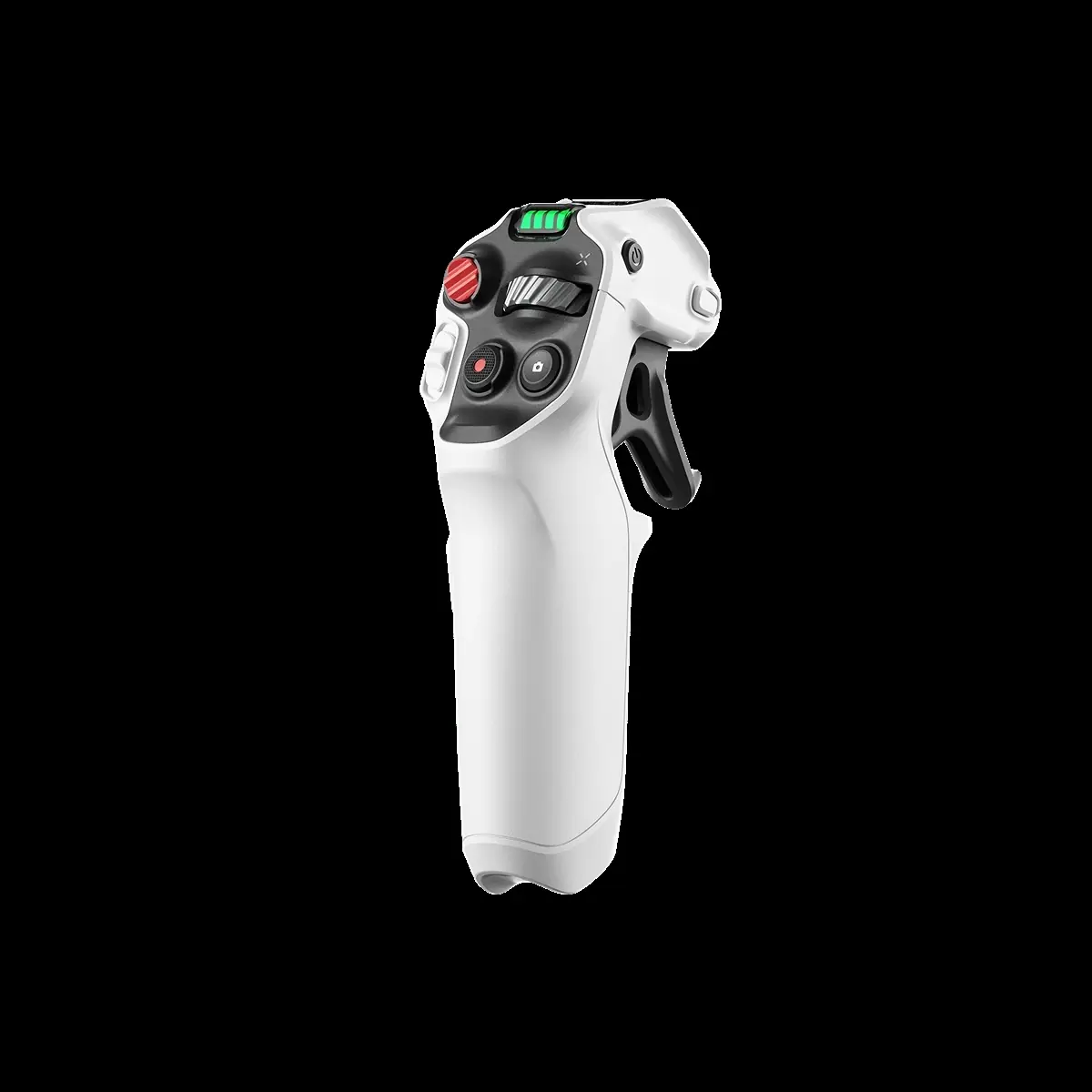
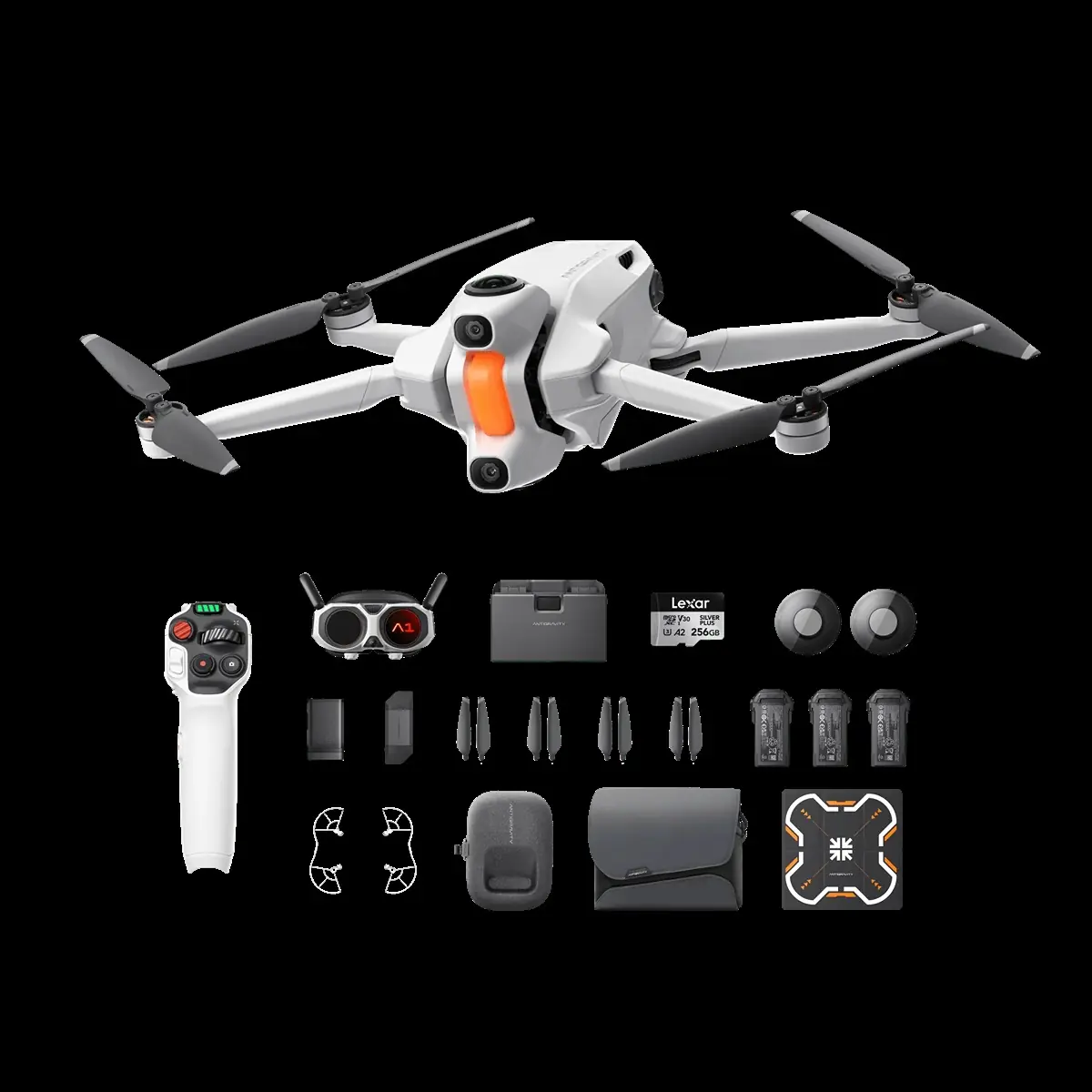
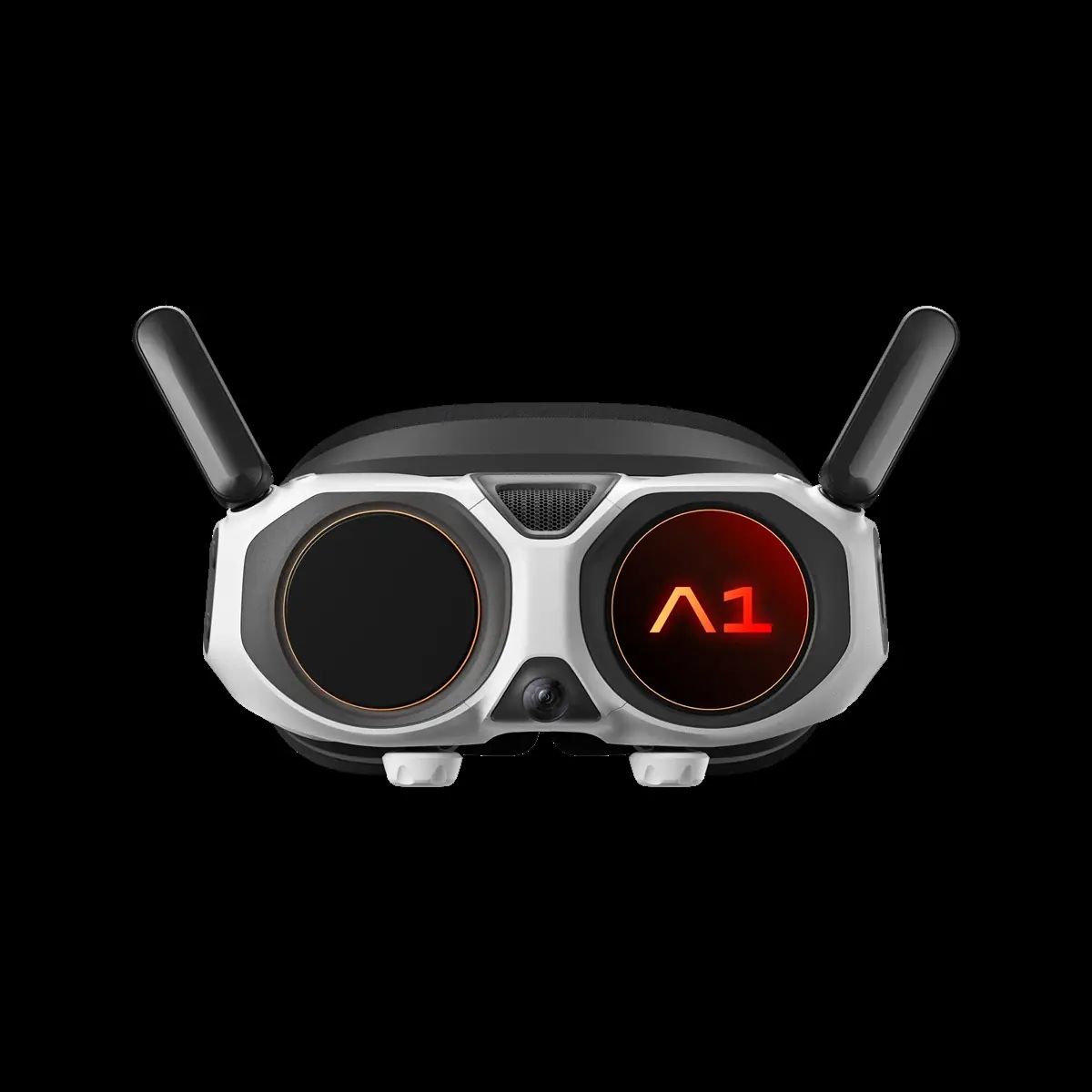
The flying is unusual too. Rather than a pair of sticks, the A1 comes with Vision goggles (dual 1.03-inch micro-OLED panels at 2,560 x 2,560 per eye) and a Grip motion controller, which Antigravity says is "significantly easier to master than traditional dual-stick drones". Antigravity quotes up to 24 minutes in the air on the standard battery and 39 on the larger one, and a company spokesman said the A1 "takes the freedom of 360 capture and gives it wings". Its tagline, "Born to fly, not to fight", belongs to the payload detection system, apparently, and not to the marketing department.
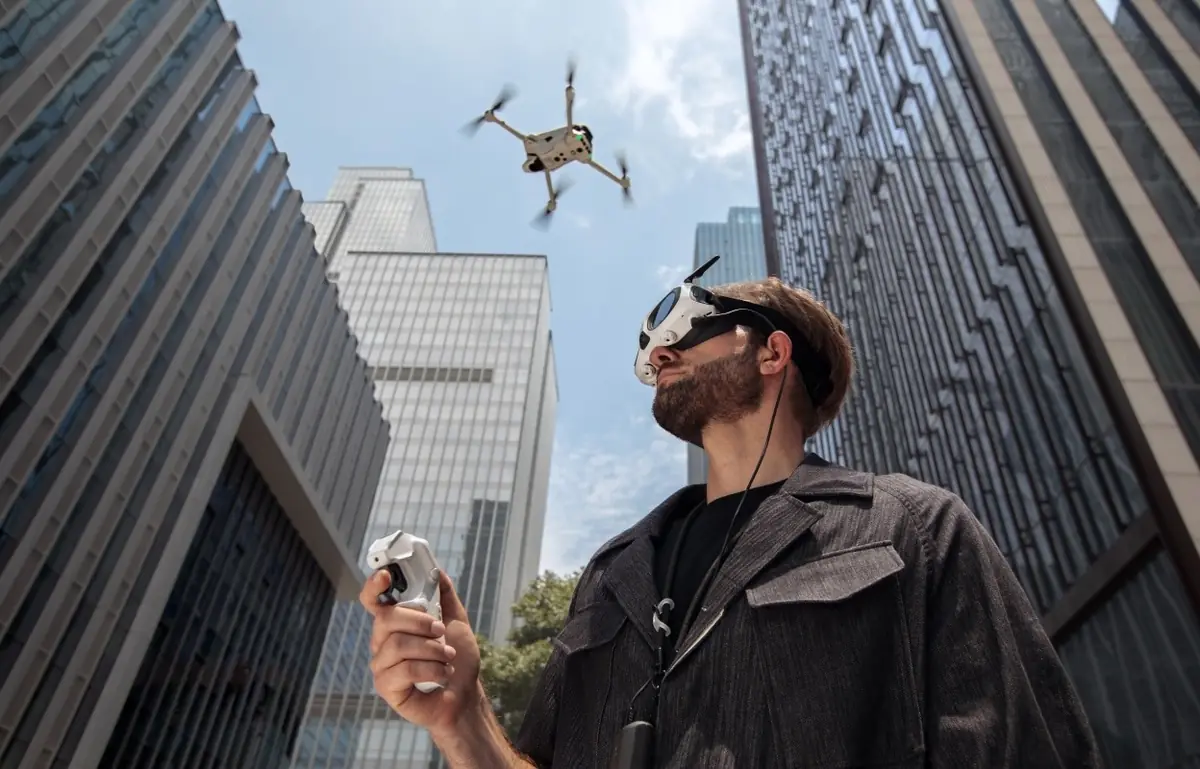
The compromises are clear. Flight time on a standard battery is short, around 16 minutes before the return-to-home warning. Image quality sits behind the DJI Mini 5 Pro, Sport mode is sedate and wearing goggles requires a second person to keep the aircraft in sight. The price is roughly double that of other drones under 250g. That is the cost of a first of its kind. For now the A1 has no direct rival, which is a pleasant place to be and an expensive one to stay.
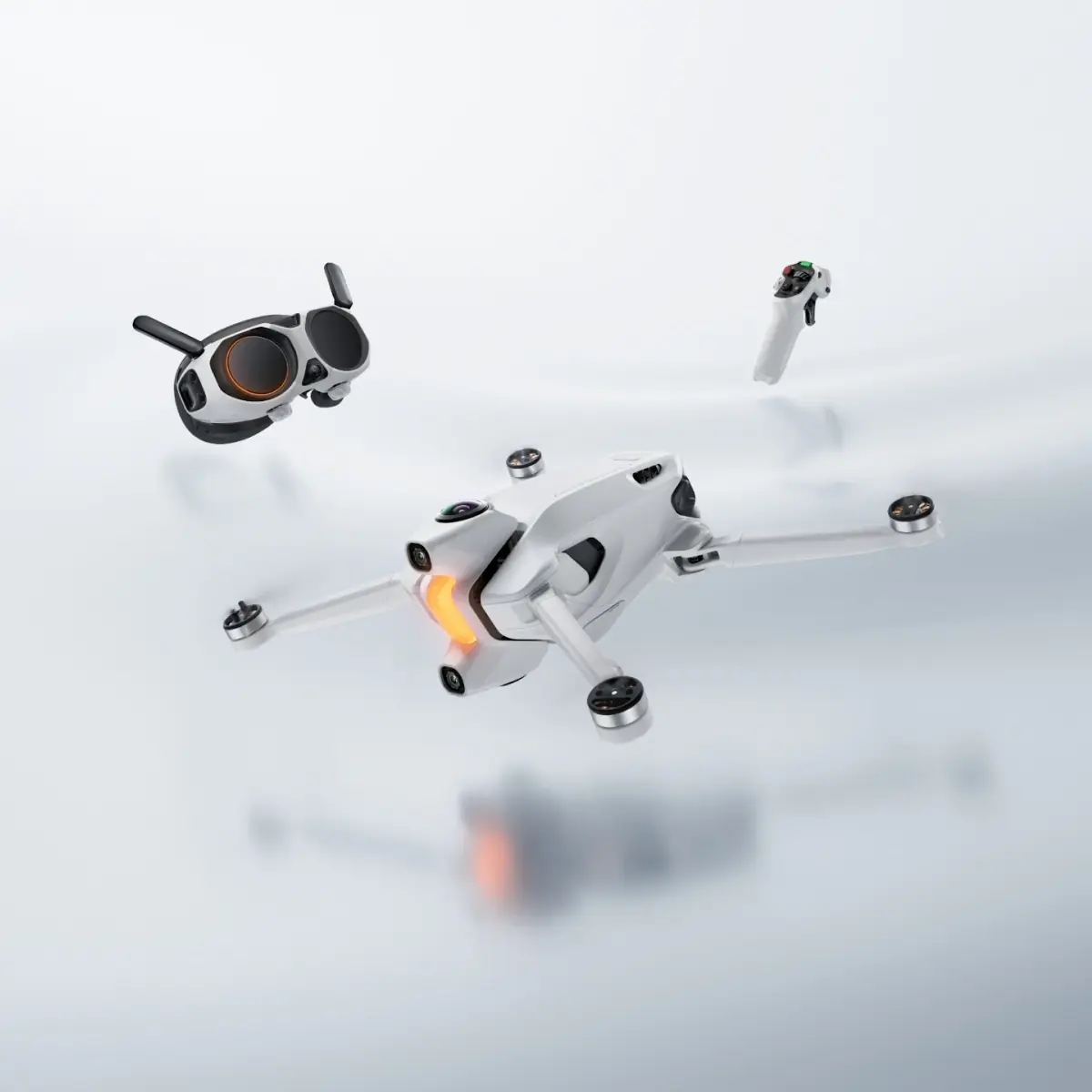
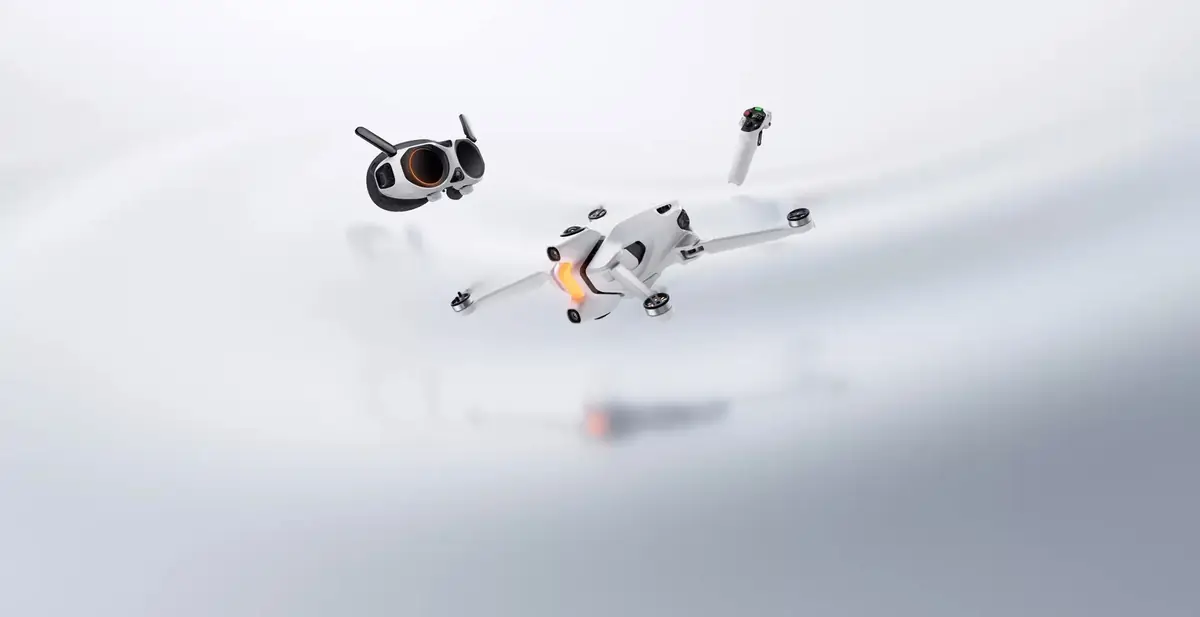
- Dual 1/1.28-inch sensors capture 8K 360-degree footage, so framing can be done after the flight.
- Reviewers found the goggles and Grip motion controller easier to learn than a dual-stick drone.
- 249g with the standard battery, folding to 141.3 x 96.2 x 81.4mm.
- Expensive, at roughly double other sub-250g drones, with goggles that need a spotter to keep line of sight.
- Image quality is secondary to the 360-degree concept next to standard camera drones such as the DJI Mini 5 Pro.
The verdict
A genuinely new kind of drone that needs a second person and a larger budget than its size suggests.
Best forEnthusiasts who want to fly inside the headset and reframe 360-degree footage, and who accept paying for a first of its kind.
Photographs courtesy of Antigravity