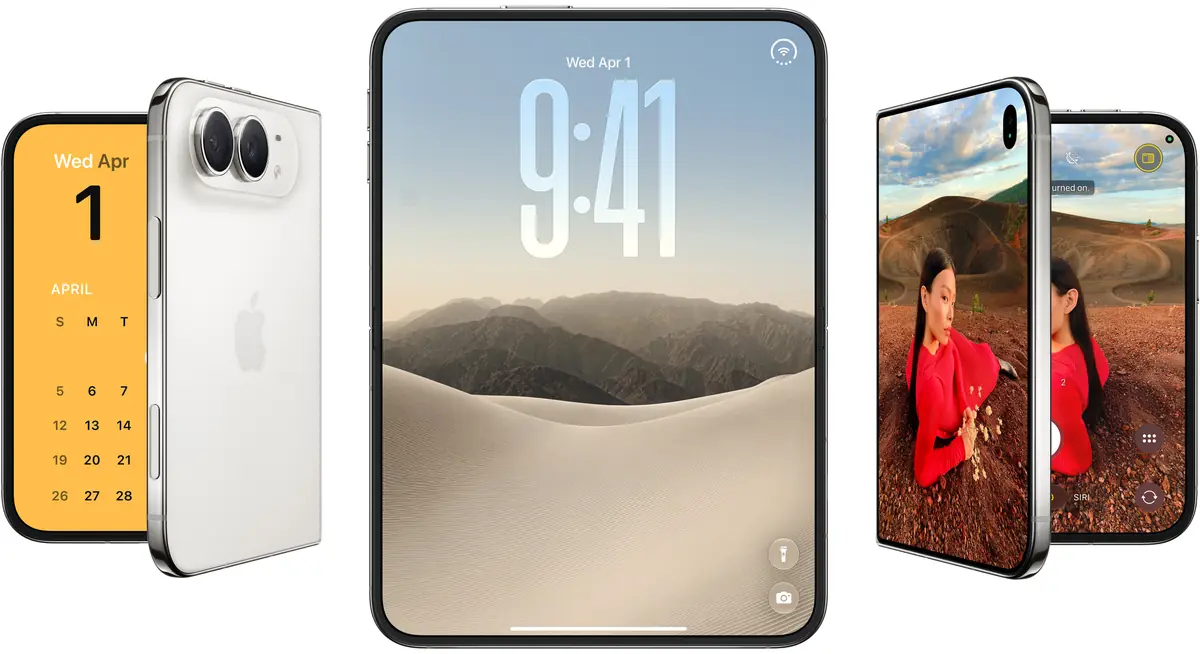
Every other phone maker had a head start on the foldable, so the interesting question about Apple's entry was never whether it could build one, only how long it would take to decide that it should. The iPhone Duo, announced on 9 September 2026 and on sale from 23 October, is that decision made flesh (and titanium). It opens to a 7.6-inch inner display and closes to a 5.4-inch cover screen, both in an unusually squarish 1:1.4 ratio, and it arrives in Night Sky and Star White as the new top rung of a range that also includes the iPhone 18 Pro and the iPhone Air.
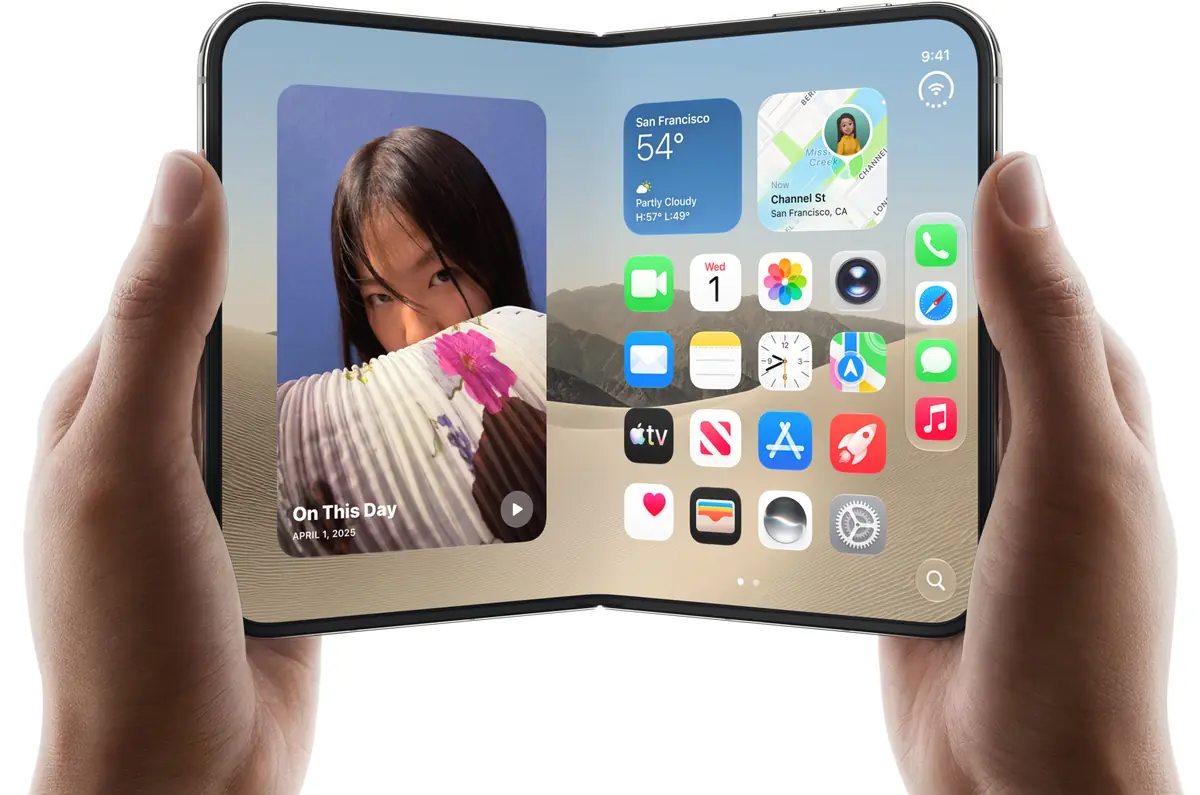
So why the name? Because the device lives two lives. Closed, it measures 84.1mm wide and 11.3mm thick, a squat pocket slab; open, it is 164.6mm wide and a mere 5.2mm thin, which Apple says makes it the thinnest iPhone yet and slimmer than the 5.6mm iPhone Air. The weight is 254 grams in either pose, five grams more than an iPhone 18 Pro Max, and that extra heft is the obvious trade-off.
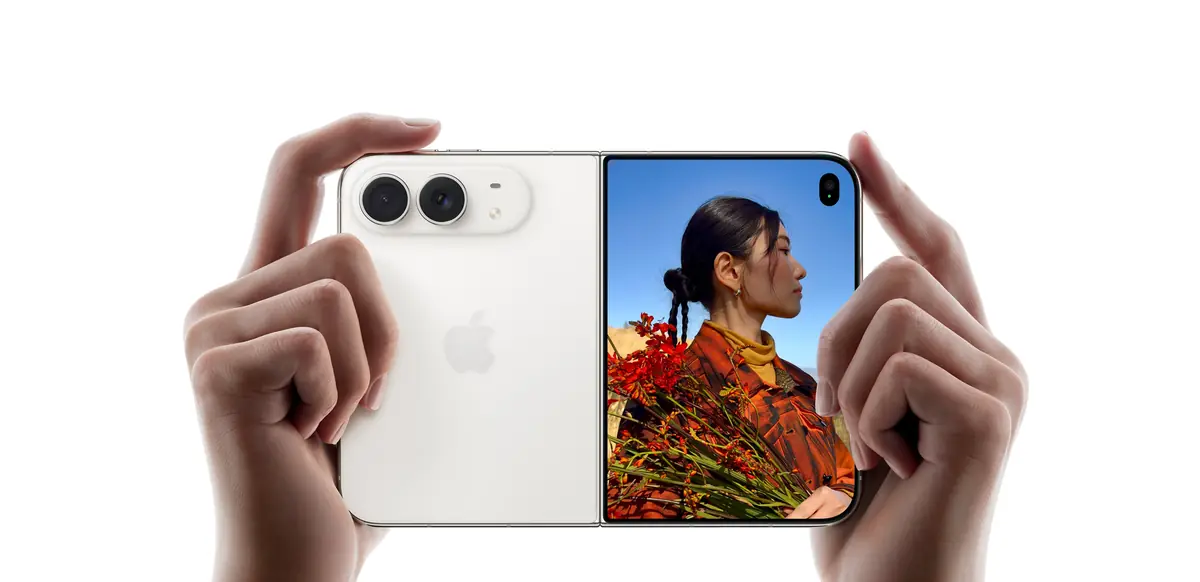
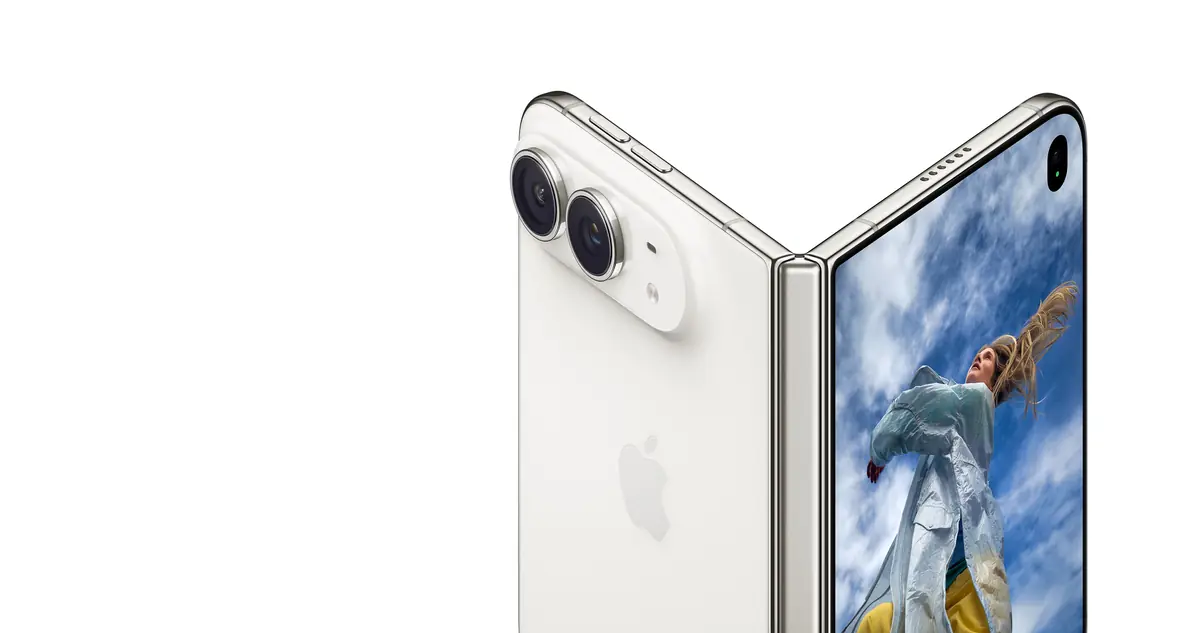
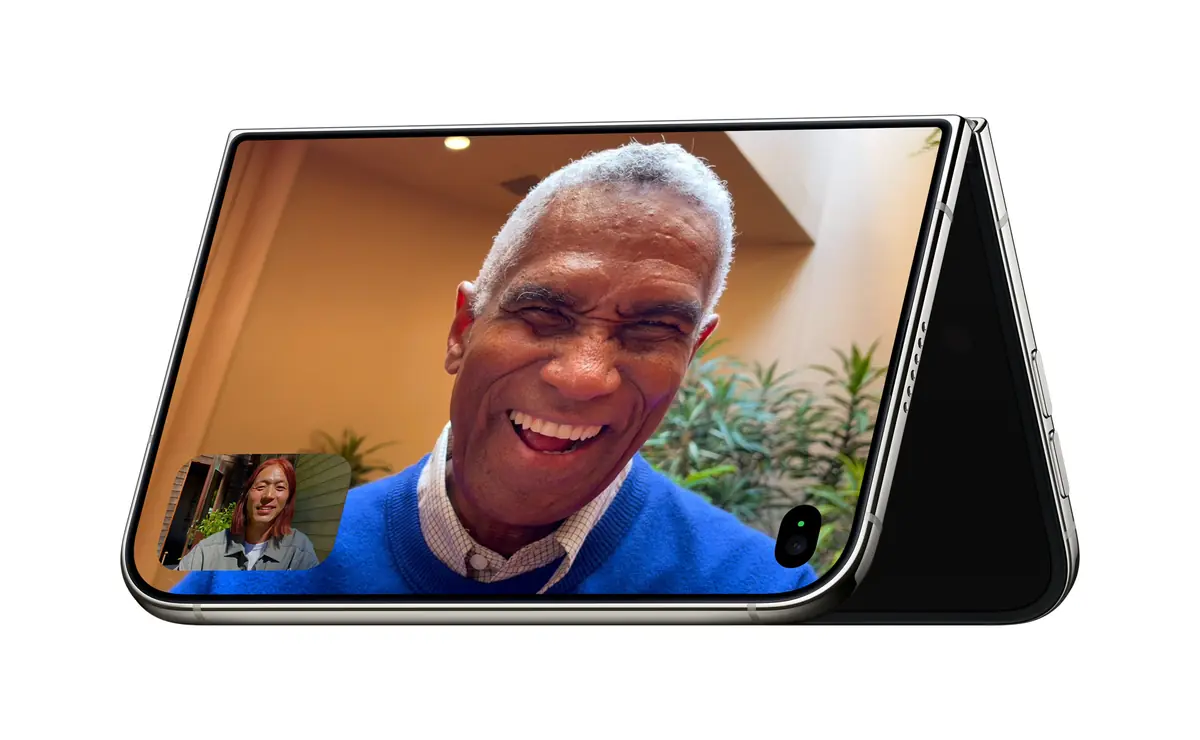
The engineering argument rests on the inner display. Apple gives it a nano-texture finish (matte, anti-reflective, rated at 1,000 nits typical and 3,000 nits outdoors, with adaptive refresh up to 120Hz). Behind it sit the A20 Pro chip, a 48-megapixel main camera and a 48-megapixel ultra wide (no dedicated telephoto), a 12-megapixel Center Stage camera on the cover and one battery in each half. Apple claims up to 31 hours of video on the inner screen.
The compromises are of the first-generation kind. Touch ID replaces Face ID, the phone is eSIM only, and third-party apps that have not yet been updated for the shape show black bars (developers need the iOS 27.1 SDK for full compatibility). It is a first-generation product, and the effect on the market is plain. Foldables have spent years competing on hinges and hype, and Apple's contribution is to make the hinge boring, which in Cupertino is the highest form of praise.
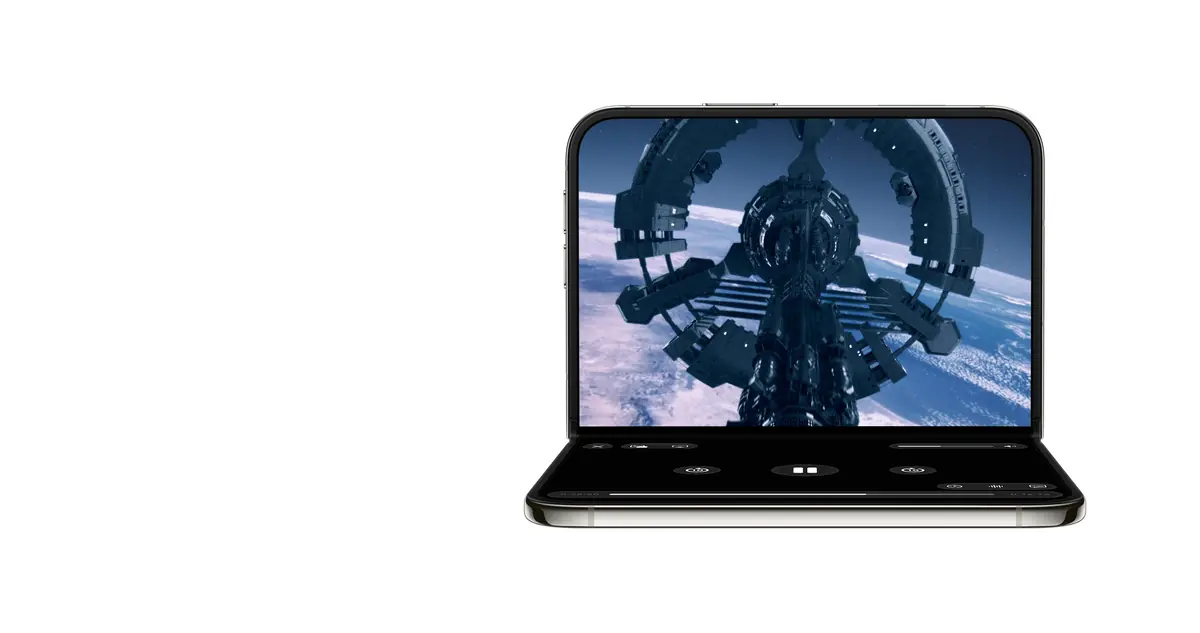
- A nano-texture inner display and a hinge designed to keep the crease subtle.
- Battery results ahead of rivals: PC Mag's looped-video test ran 18 hours 15 minutes, against 16 hours 30 minutes for the Galaxy Z Fold 8.
- A 5.2mm open profile inside a titanium frame, with an IP68 rating and Apple Pencil support on both screens.
- At 254 grams in either pose it is heavier than an iPhone 18 Pro Max, so expect some pocket sag.
- Third-party apps that are not yet optimised show black bars, and there is no dedicated telephoto camera, Touch ID instead of Face ID and an eSIM-only design.
The verdict
A first-generation foldable that gets the hinge and the screen right and the weight and the software less so, best judged as an idea Apple has now made credible.
Best foriPhone loyalists who want a small tablet in the pocket and will accept first-generation compromises.
Photographs courtesy of Apple