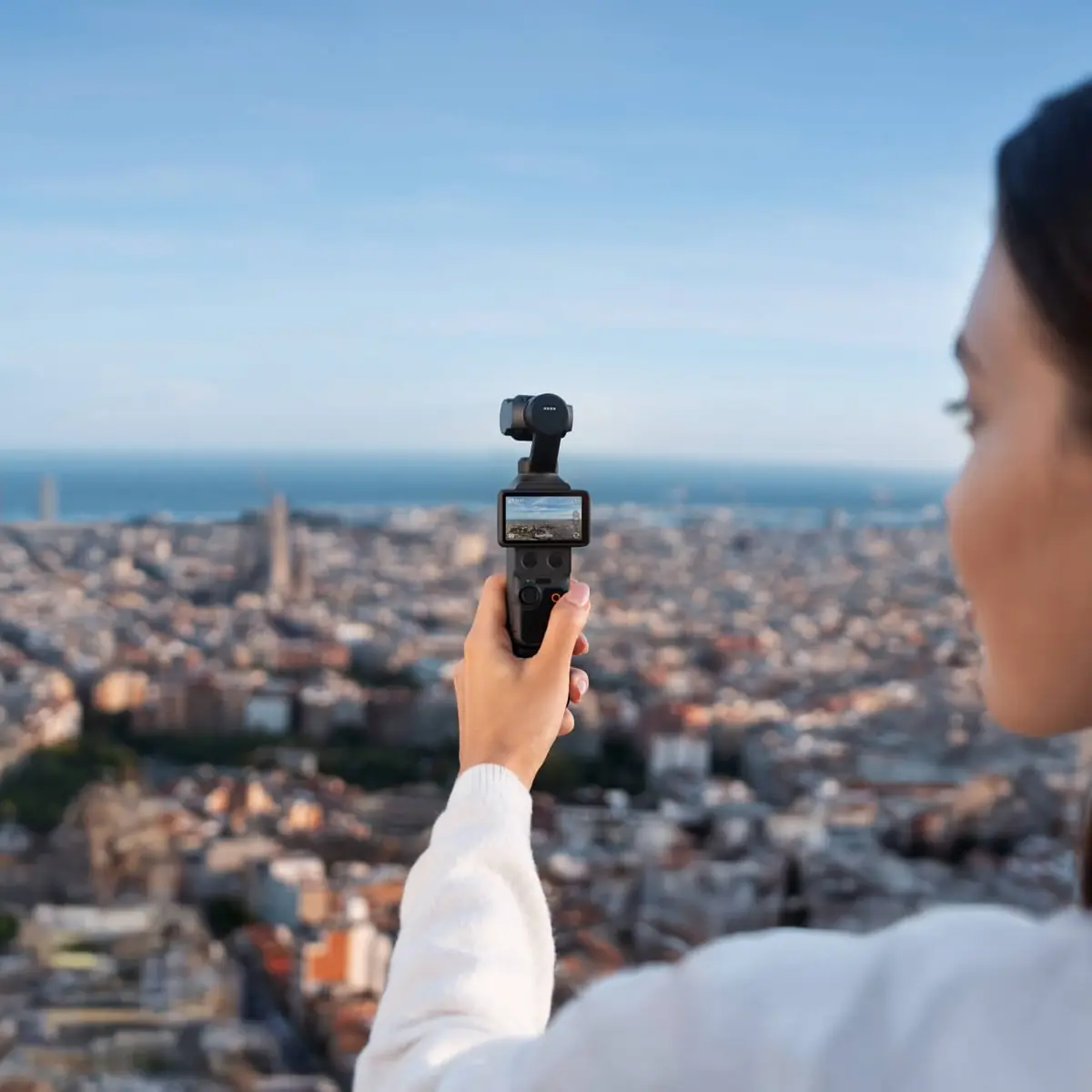
DJI has been making the same argument since 2018: a three-axis gimbal, a camera and a screen can live on a handle small enough for a jacket pocket. The Osmo Pocket arrived that year, the Pocket 2 followed in 2020 and the Pocket 3 (2023) moved to a one-inch sensor. The Pocket 4, confirmed for 16 April 2026 with orders shipping from 22 April, carries on from there. The Shenzhen company, founded in 2006 and better known for drones, has refined the idea without changing its proportions.
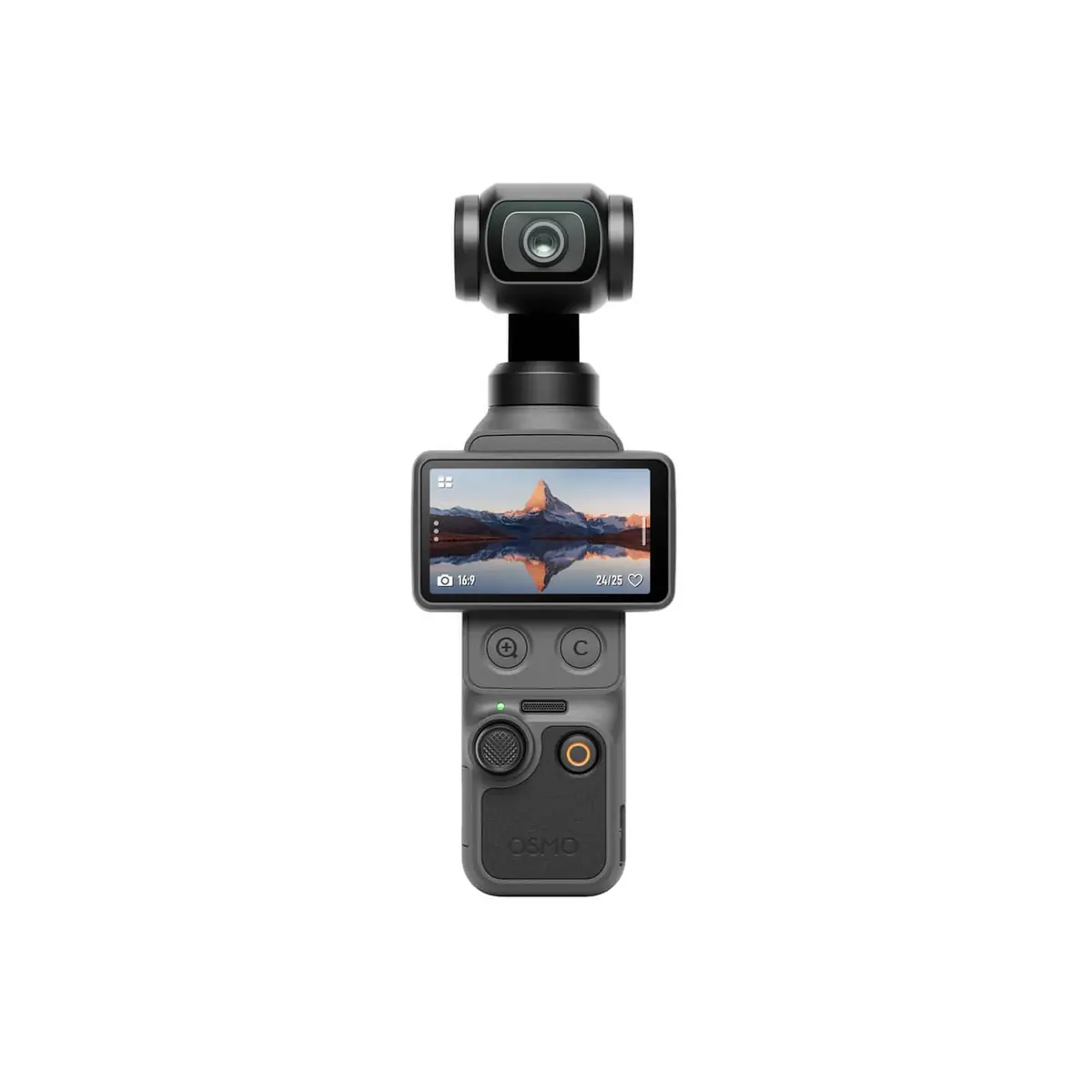
So what has changed? The 2-inch OLED touchscreen is brighter at 1,000 nits and rotates for landscape and portrait, two physical buttons (a zoom control and a customisable preset) sit beside a joystick, and 107GB of internal storage means a memory card is optional (a microSD slot takes up to 1TB). DJI quotes up to 240 minutes of 1080p recording, 40 minutes more than the Pocket 3, and an 80 per cent charge in 18 minutes on a 65W adapter. The body weighs 190.5g against the Pocket 3's 179g, about the weight of three eggs.
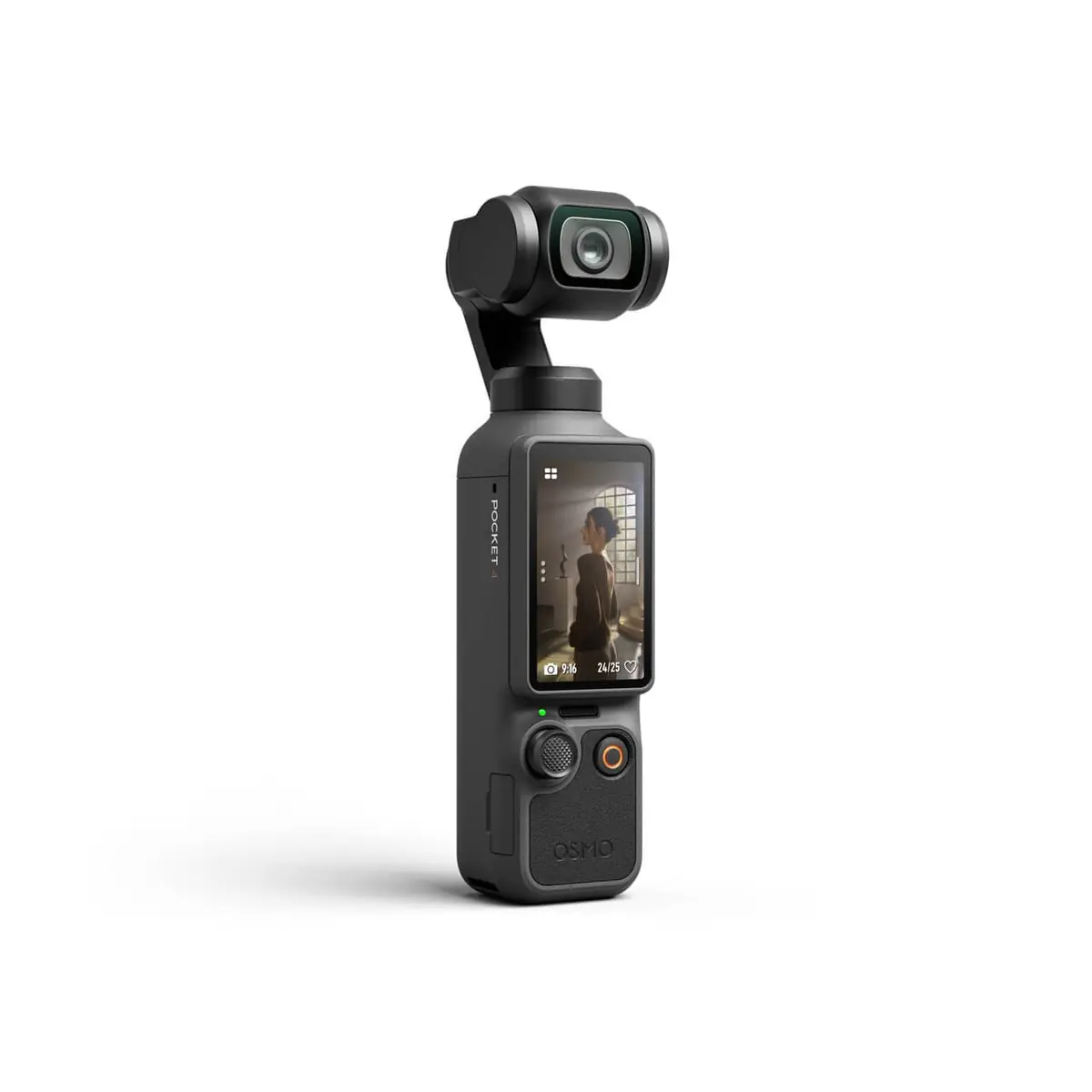

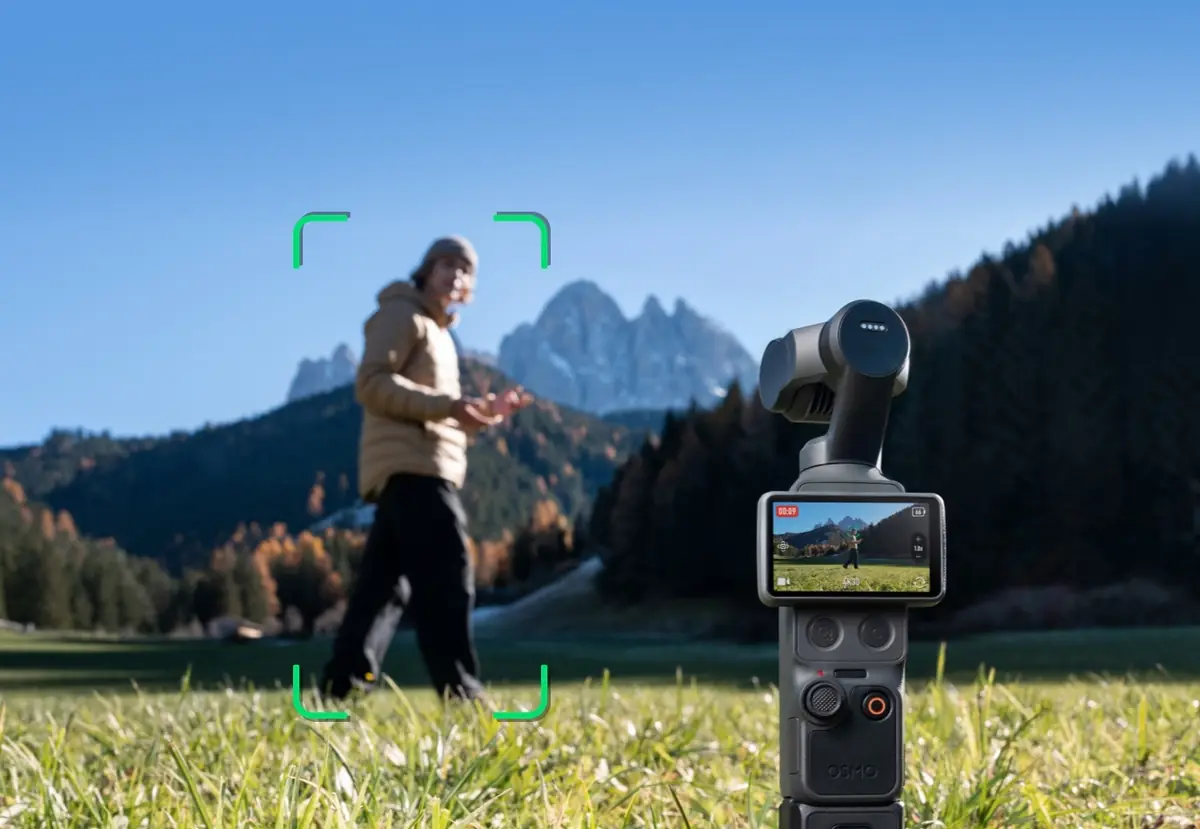
The imaging specification is the headline. The one-inch sensor sits behind a 20mm-equivalent f/2.0 lens that DJI pairs with 14 stops of dynamic range, 10-bit D-Log and 37MP stills, and 4K at 240 frames a second for slow motion. A 2x lossless zoom is available in 4K, with ActiveTrack following subjects up to 4x.
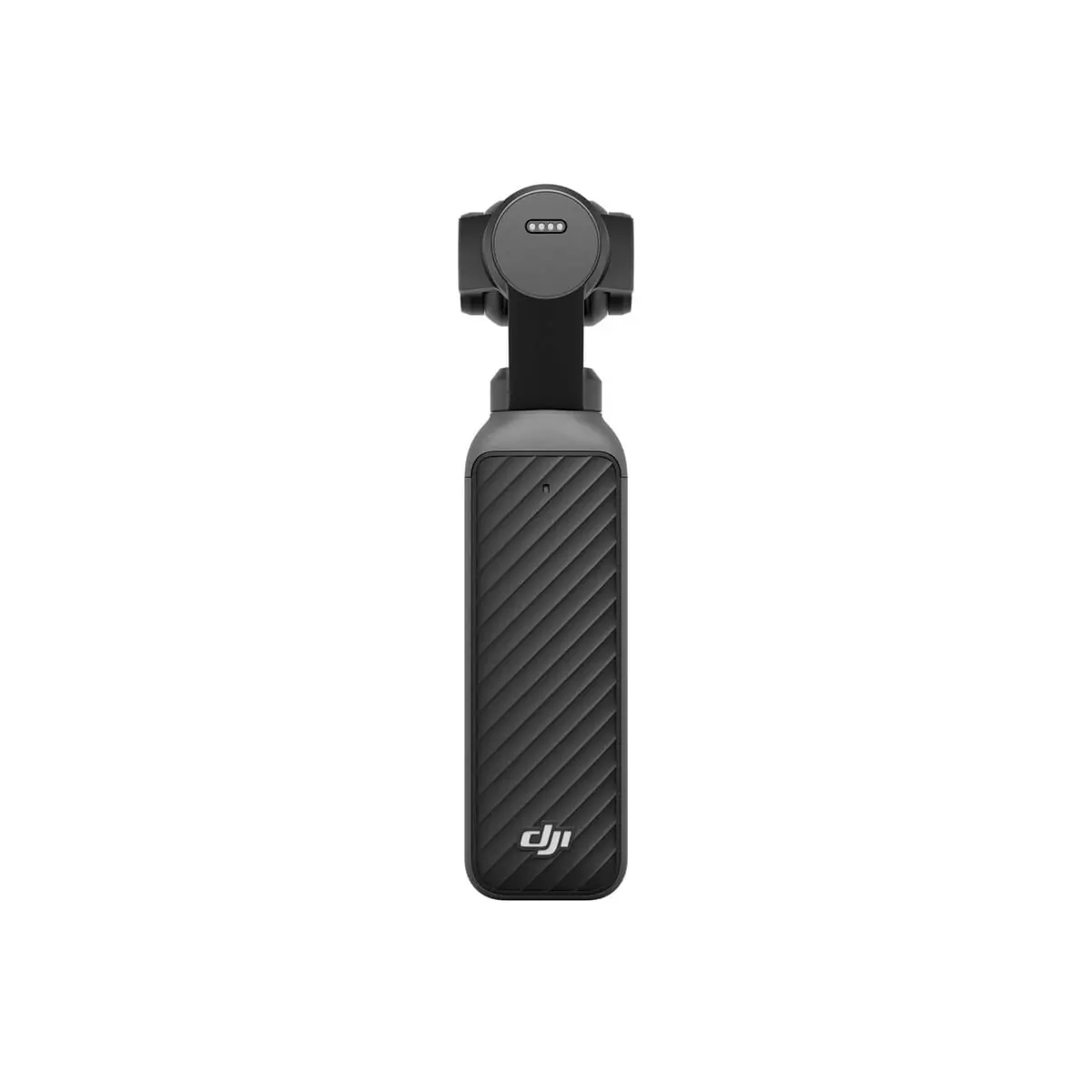
The weaknesses are practical. There is no IP rating, so rain is a risk. The gimbal has no built-in lock, and the clamp that protects it is clunky, easy to lose and absent from the cheapest bundle, which makes that bundle the one to avoid. The protruding gimbal is a vulnerable component, and the improvement over the Pocket 3 is useful but not a leap, so existing owners may wait. The Pocket 4 is also not on sale in the United States, which is a polite way of saying the category leader has a trade problem.

- One-inch sensor with 10-bit D-Log.
- 107GB of built-in storage plus a microSD slot, and up to 240 minutes of recording on DJI's figures.
- A brighter 1,000-nit rotating touchscreen, a dedicated zoom button and reliable subject tracking.
- No dust or water rating, and no gimbal lock, with a protective clamp that is clunky and easy to lose.
- A modest step up for Pocket 3 owners, and the protruding gimbal head is exposed in a pocket.
The verdict
The natural first choice among pocket gimbal cameras, and a sensible rather than dramatic upgrade for anyone who already owns the last one.
Best forVloggers and travellers who want stabilised 4K video that fits in a jacket pocket.
Photographs courtesy of DJI