The smart ring has spent a decade being polite about its looks. Most of them are grey cylinders that apologise for the sensors inside. Oura, the Finnish company whose first ring appeared in 2015 and whose titanium Ring 4 followed in 2024, has decided the finger deserves jewellery as well as hardware. The Ring 4 Ceramic, announced on 1 October 2025, replaces the metal shell with zirconia ceramic and arrives in four colours (Tide, Petal, Cloud and Midnight) across twelve sizes, from 4 to 15.
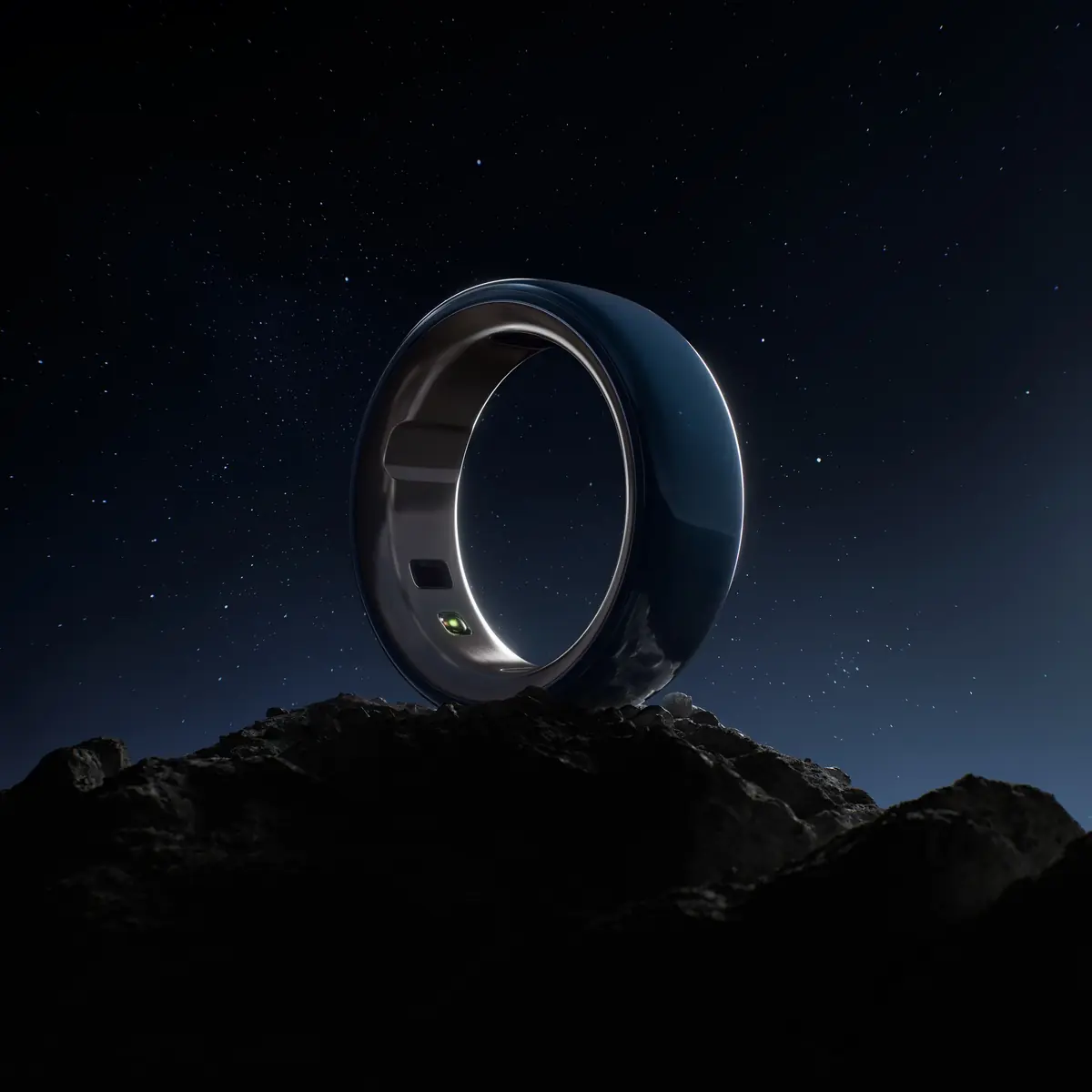
So why ceramic? Oura's chief design officer, Miklu Silvanto, says the ring "sits at the intersection of technology, health, jewelry, fashion, and industrial design", a sentence that tries to seat five departments at one table. The practical argument is easier to follow. Oura says the colour comes from minerals within the ceramic and is not a coating, so there is nothing to flake. Ceramic rates 7 to 8 on the Mohs scale, which makes it very scratch-resistant, although Oura admits that scuffs from metal can still show (and may be erasable).


Inside sits the Ring 4 sensor package, which tracks heart rate, temperature, movement and blood oxygen and feeds Oura's app. The company quotes five to eight days between charges. In use, a size 8 of the standard Ring 4 gets closer to five, with blood oxygen sensing trimming it further, and rivals such as the Samsung Galaxy Ring and RingConn Gen 2 last longer. Oura launched a charging case alongside the ring (a recycled aluminium shell holding up to five full charges, with each charge taking about 90 minutes), though it was due in the coming months.

The costs are of two kinds. The first is bulk: the ceramic ring is thicker and slightly heavier than the titanium one, thick enough to catch on a steering wheel. The second is the membership, which full access to the app requires and which adds up over time. Sleep tracking remains the reason most people buy an Oura, and nothing in the ceramic version changes that. What it changes is how the object looks at a dinner table, which, for a device worn for twenty-four hours a day, is not a trivial thing to fix.
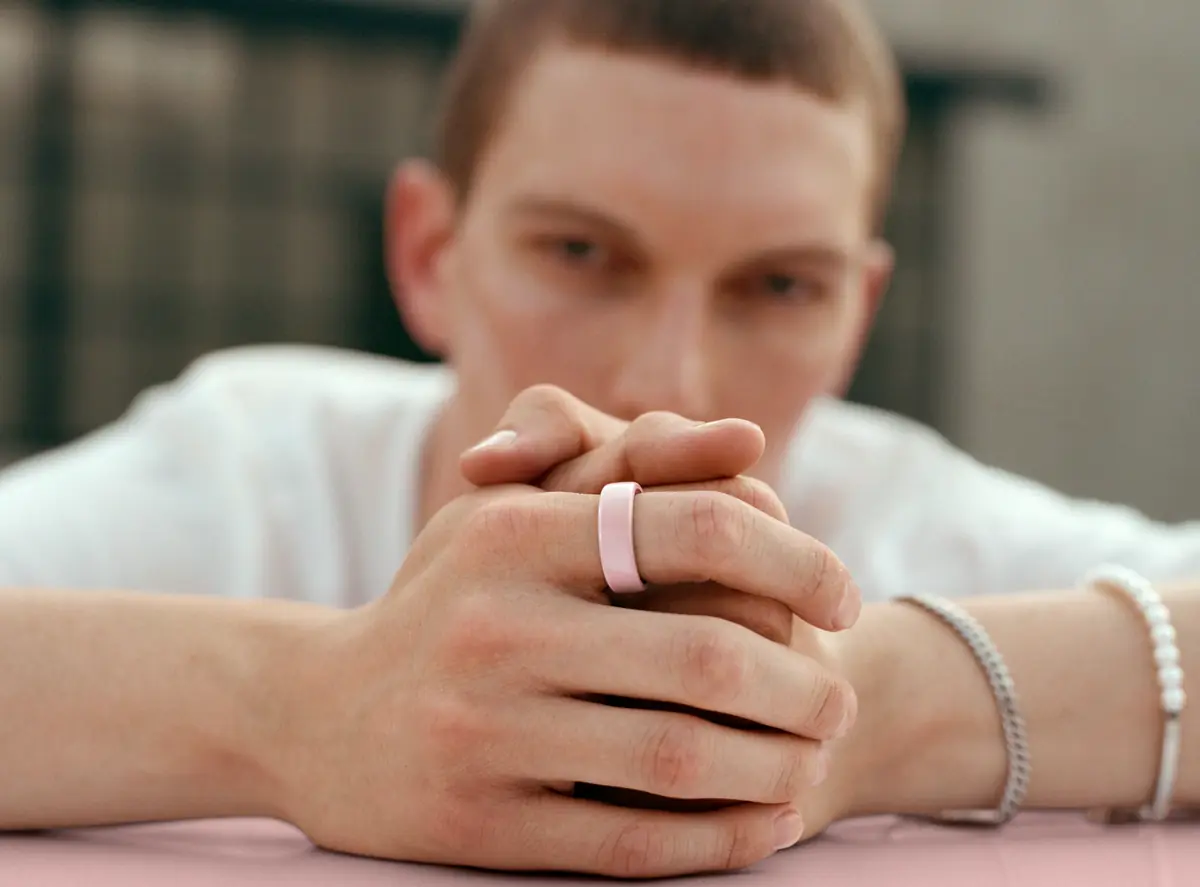
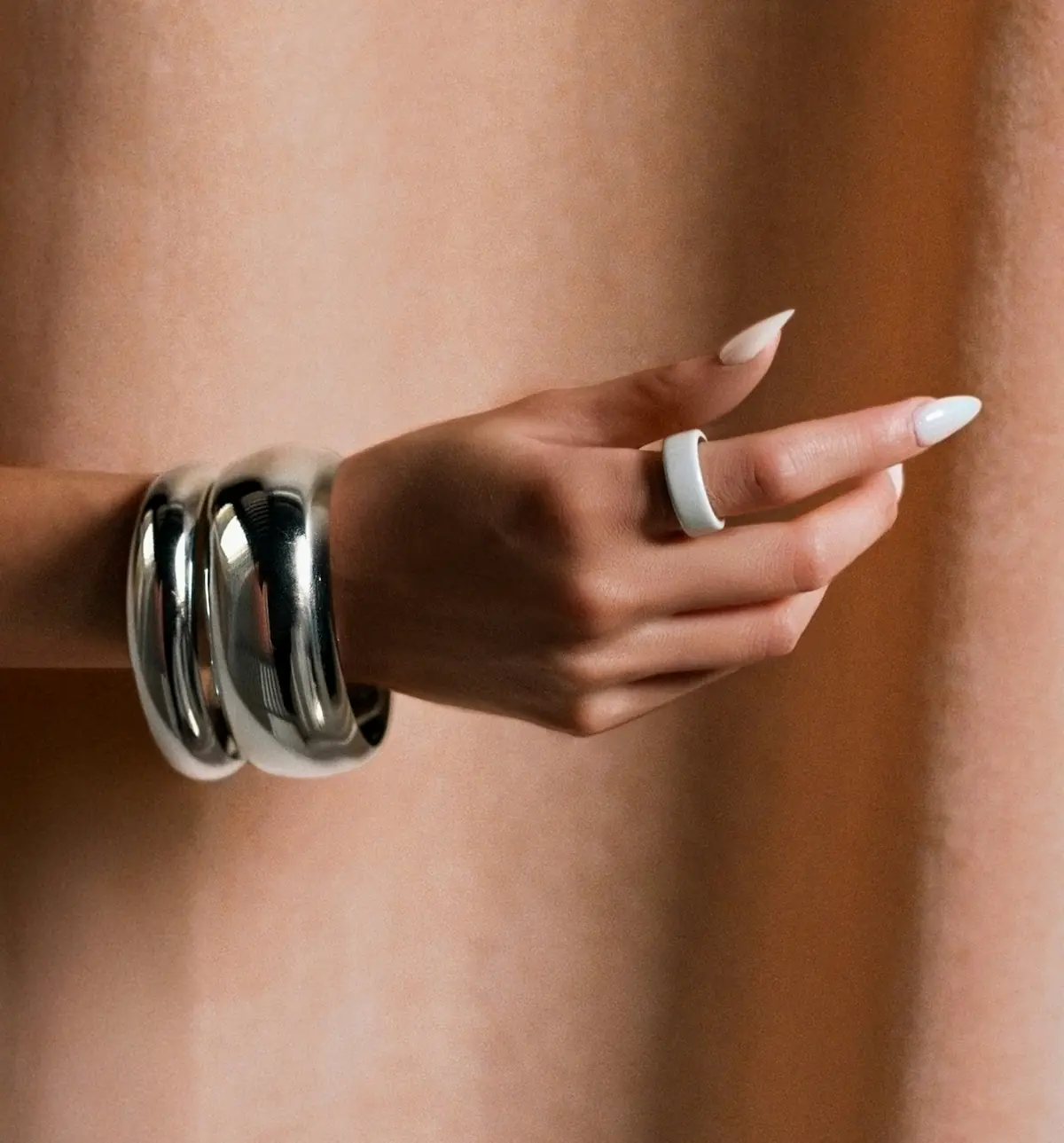
- Colour runs through the zirconia and is claimed by Oura not to be a surface coating, so there is no paint to wear off.
- Reviewers still single out sleep tracking as the main strength of the platform.
- Twelve sizes (4 to 15) and a ceramic finish.
- Thicker than the titanium ring and prone to catching on objects such as a steering wheel.
- Full access to the app needs a paid membership, and a Tech Advisor review of the standard Ring 4 found battery life nearer five days than the quoted eight.
The verdict
A handsome answer to what a health tracker should look like, provided you are content to pay for the ring and then for the insight.
Best forSleep-minded wearers who want a tracker that passes for jewellery and will not mind the monthly fee.
Photographs courtesy of Oura