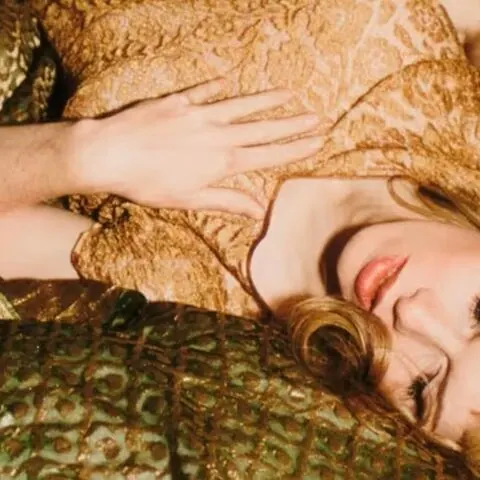
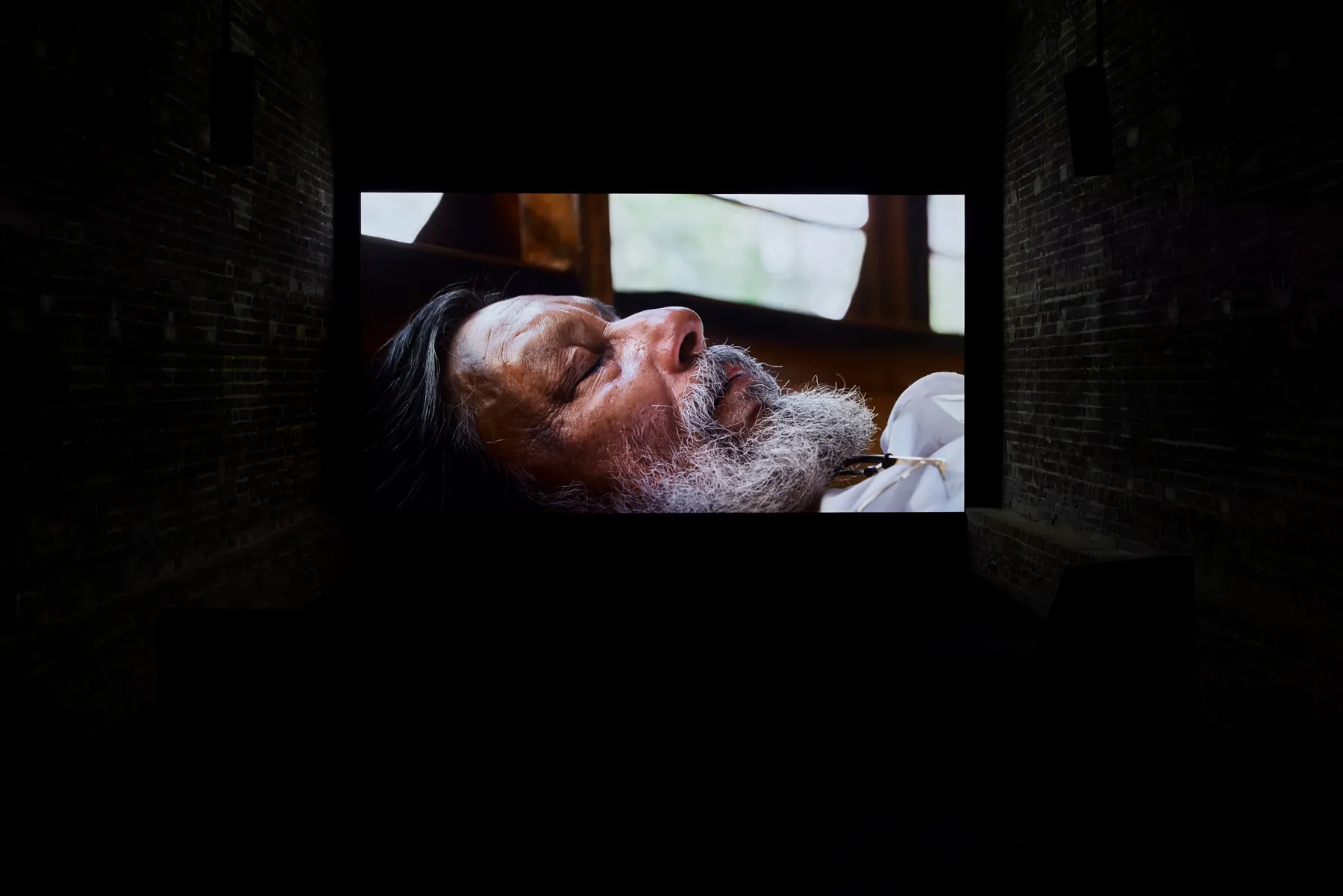
Ana Mendieta pressed her own body into the earth and then left it there. Born in Havana in 1948 and sent to the United States as a young girl, she spent a short working life making art that asks where a person belongs when home has been taken away. Tate Modern's survey, the first major UK one in over a decade, runs from 15 July 2026 to 17 January 2027.
The centre of gravity is the Silueta Series, made between 1973 and 1980. In these works Mendieta marked human outlines in landscape, using earth, water, flowers and fire, then recorded them on film and in photographs. The films from 1971 to 1981 have been remastered, which matters for work so dependent on light, grain and fleeting weather. Many of the originals were meant to vanish, so the images are often all that survives.
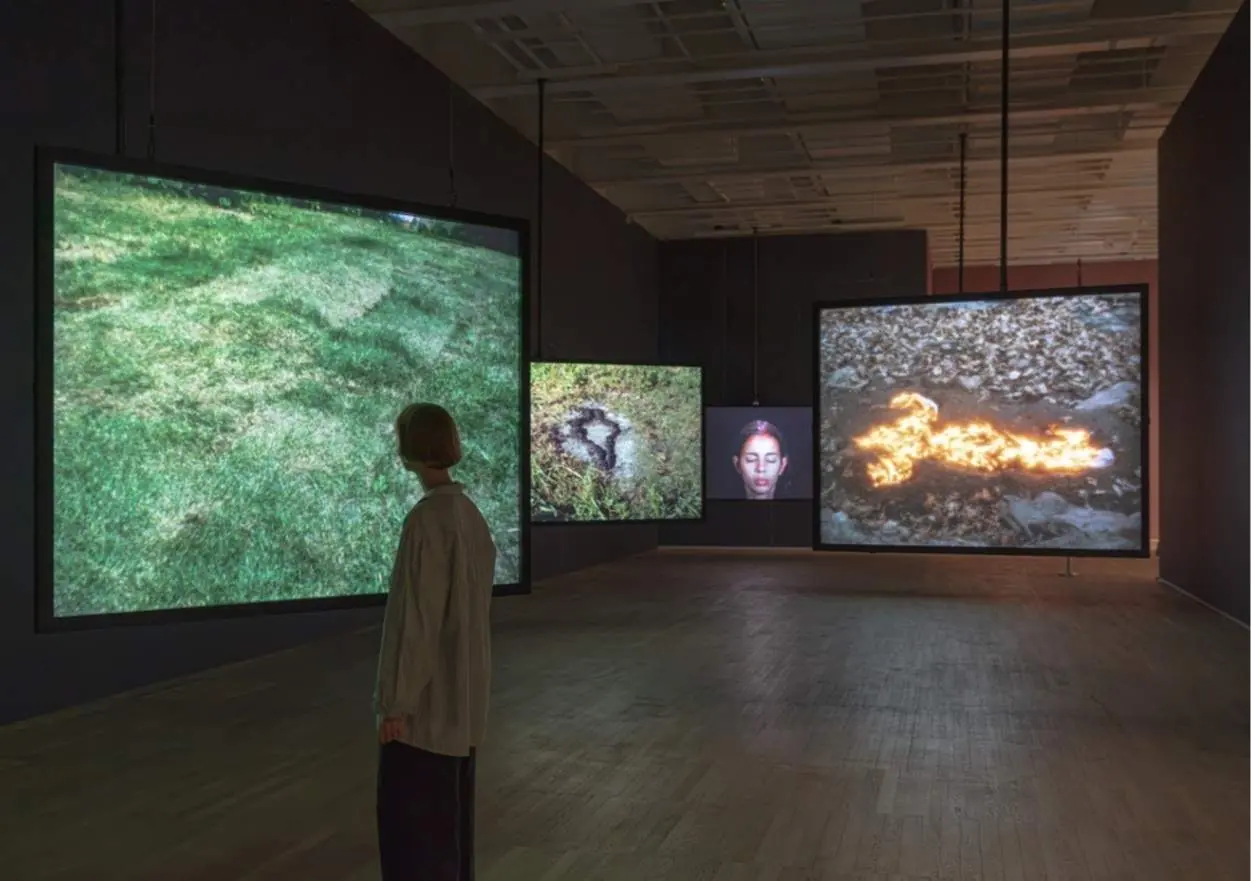
Installation view, Tate Modern. Photograph © Tate (Yili Liu and Sonal Bakrania)
The show goes well beyond the best-known pieces. It includes restaged works, among them Nanigo Burial (1976), which is lit with ritual candles during the run. Late sculptures such as Nile Born and La Jungla (Totem Grove) show where her thinking moved in the years afterwards, trading the vanishing outline for objects with weight and presence. Outside the museum, a 1982 tree sculpture extends the exhibition into the open air.
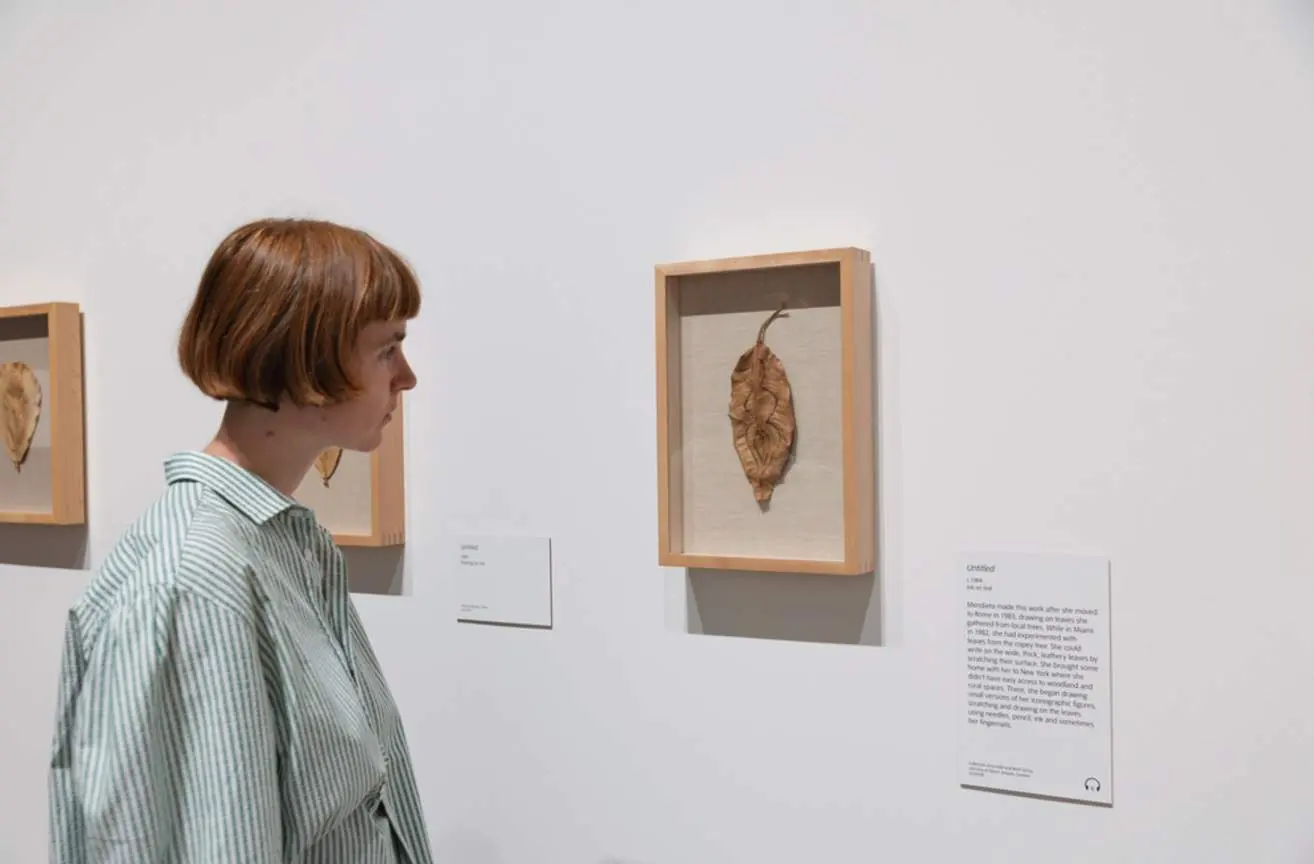
Installation view, Tate Modern. Photograph © Tate (Yili Liu and Sonal Bakrania)
The curators are Michael Wellen, Valentine Umansky and Elsa Collinson, and the exhibition gathers more than 120 pieces. That is a lot to absorb, and the films reward a slower pace than the sculptures. Give the screens real time, since the small, intimate images carry some of the show's strongest moments.
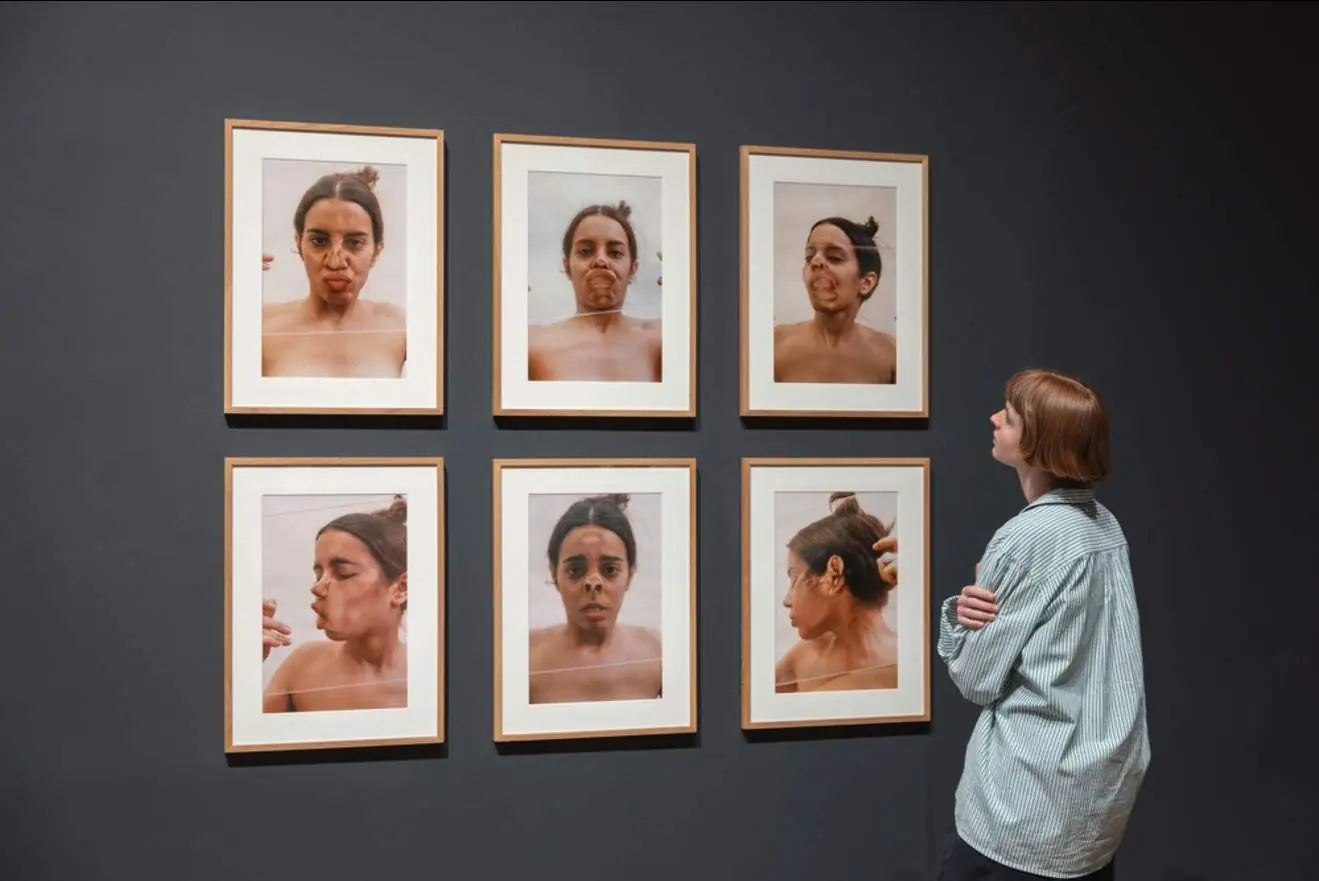
Installation view, Tate Modern. Photograph © Tate (Yili Liu and Sonal Bakrania)
Tate Modern sits in a former power station on Bankside, and the contrast is worth enjoying. Mendieta's work is about soil, blood, roots and the ancestral. The building is about steel, brick and turbines. Walking from one into the other sharpens both.
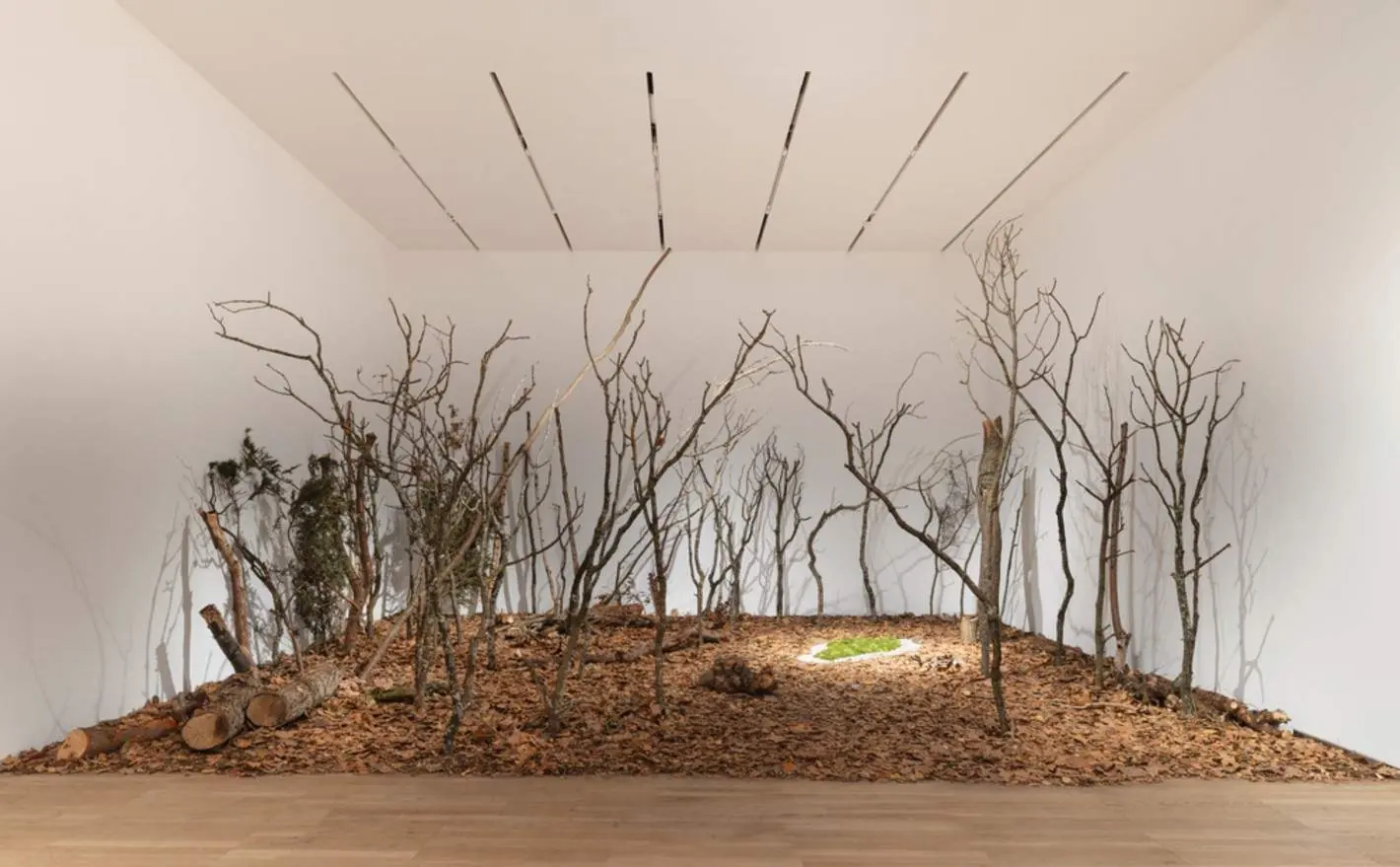
Installation view, Tate Modern. Photograph © Tate (Yili Liu and Sonal Bakrania)
The show closes on 17 January, and the final weeks of any big Tate exhibition tend to fill up, so book soon rather than waiting for the new year. Weekday mornings are generally calmer than weekends. Look at the tree sculpture on the way in, while you still have fresh eyes, and return to it on the way out.
Best for Anyone who has seen only the photographs.