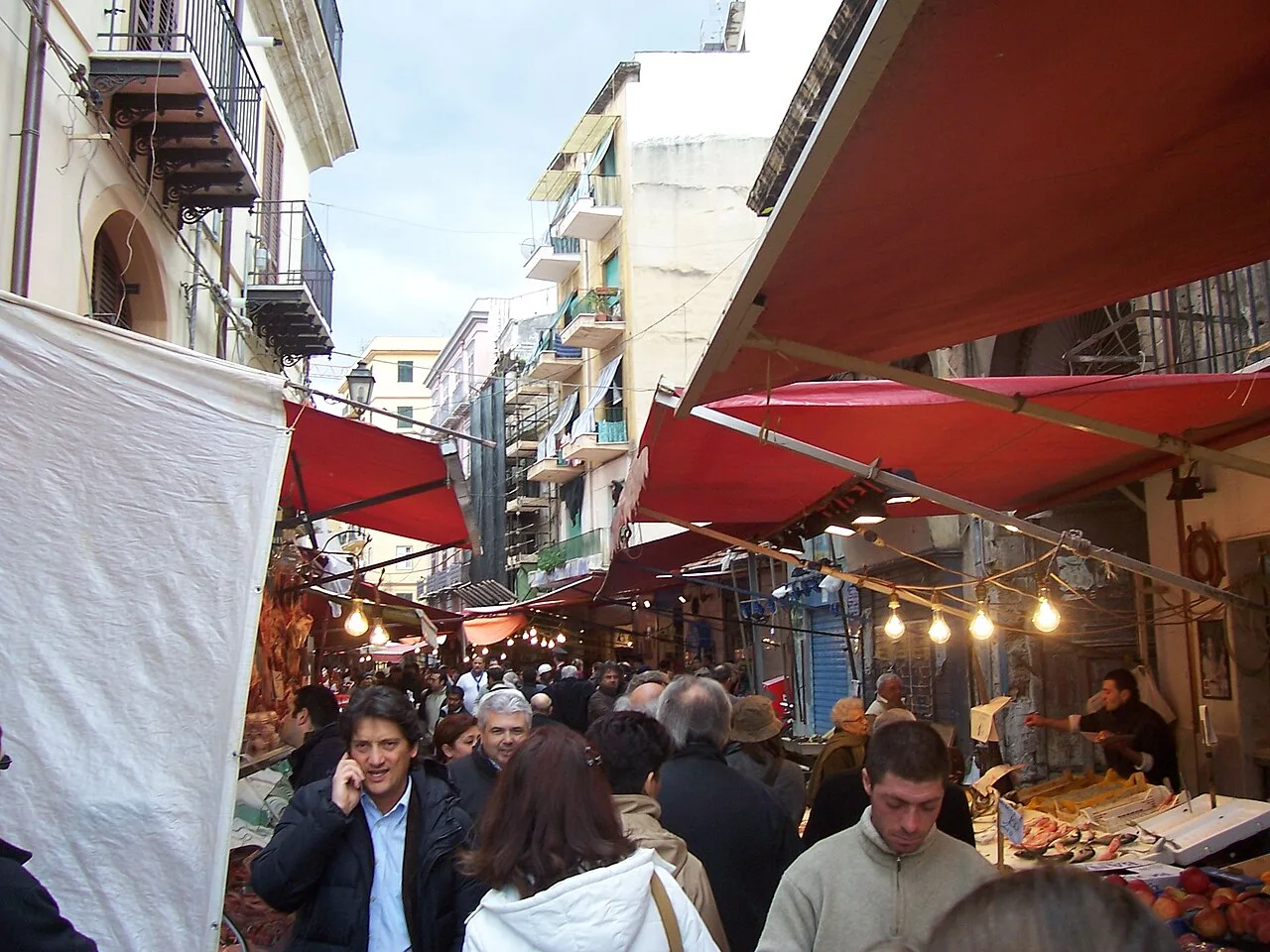
Ballarò is often called the oldest market in Palermo, and its layout, narrow, loud and run by voice, still reads like a souk. It sits close to the Palazzo dei Normanni and the Cappella Palatina, so it is easy to fit between the sights, though it is better treated as lunch than as a detour.
A market with an Arab past
The market's roots are usually traced to the Arab period, more than a thousand years ago. Theories for the name include Bahlara, a village near Monreale from which many early vendors are said to have come. It was well established by the Italian Renaissance, and the stalls today still sell fish, produce, cheese and cooked food from the same narrow lanes.
What the stalls sell
The seafood stall piles sardines, octopus and swordfish on ice. Cheese counters carry pecorino, caciocavallo and ricotta salata. Butchers sell lamb and Sicilian sausage, and cured-meat stalls add nduja. For drinking, there is Sicilian wine, Nero d'Avola and Marsala among it, and fresh blood orange and lemon juice squeezed to order.
The street food to eat standing up
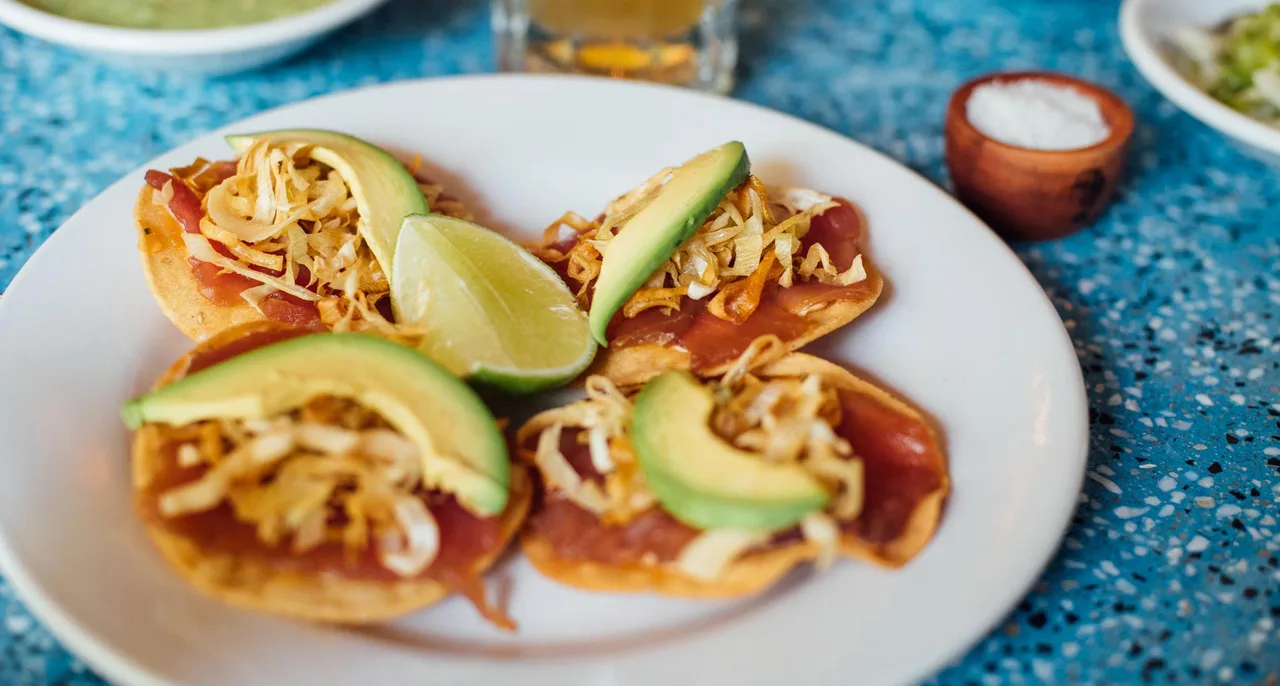
Panelle are chickpea fritters, and crocchè are their potato cousins, both fried and often pressed into a sesame roll. Sfincione is Palermo's thick, spongy pizza with onion and tomato. Arancine are the fried rice balls. Stigghiola, grilled intestines of lamb or goat, is the stall that divides visitors. Cannoli finish the lap.
How to do it properly
Arrive before 11:00. The morning has the freshest produce and seafood, and the market is busy by midday, when many vendors begin serving lunch. Bring cash, because most small stalls cannot take cards. Haggling is viewed with a little bad taste, and it is customary to let the vendor choose your produce rather than picking through the display. Keep belongings close in the crowd.
Which stall
Stalls that serve more locals than visitors tend to be the more consistent ones. Follow the queue, order one thing, eat it, and move on to the next. A market lunch works best as four small stops rather than one sit-down.