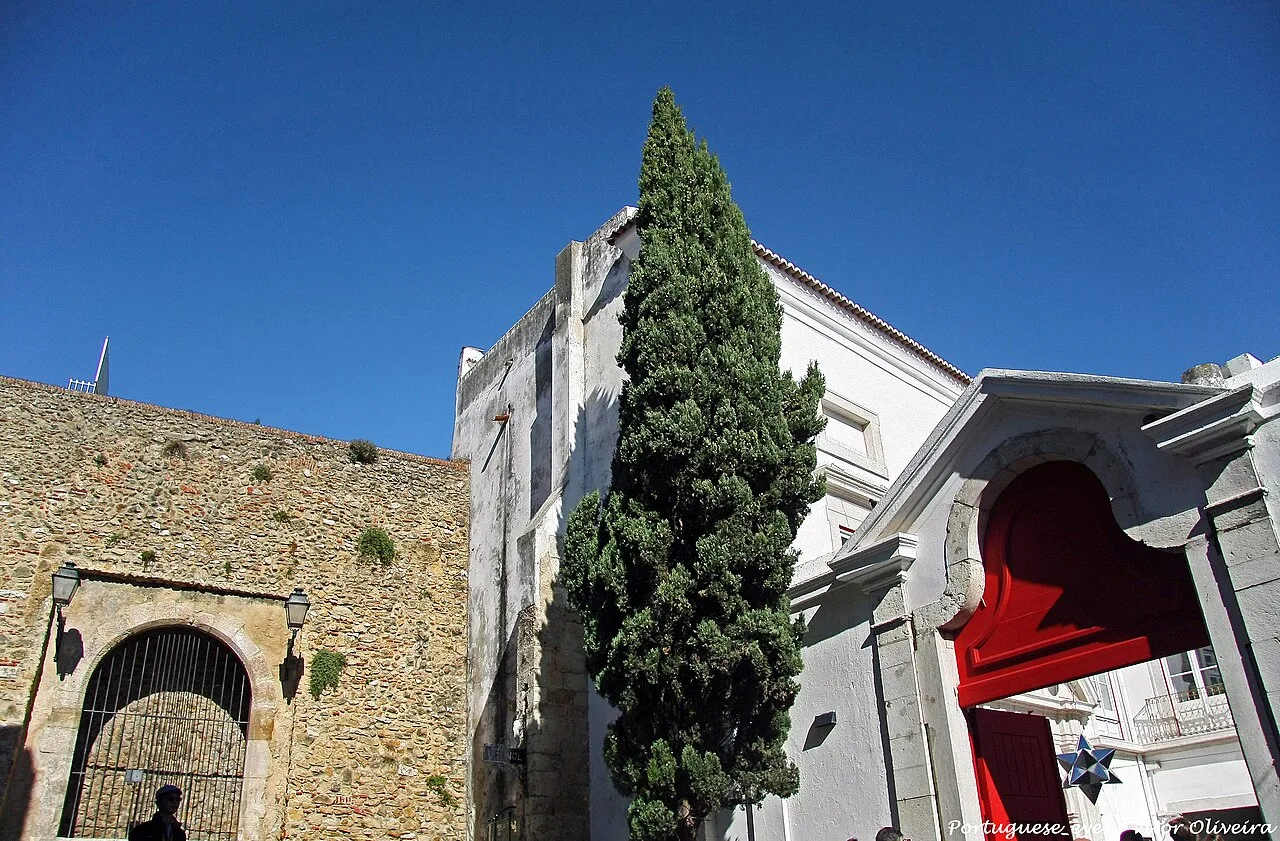
Palácio Belmonte stands in the old quarter of Alfama, near the Castelo de São Jorge, on a site that held Roman and Moorish structures before it held a palace. It is a hotel with just ten suites, and the building is as much the point as the rooms inside it.
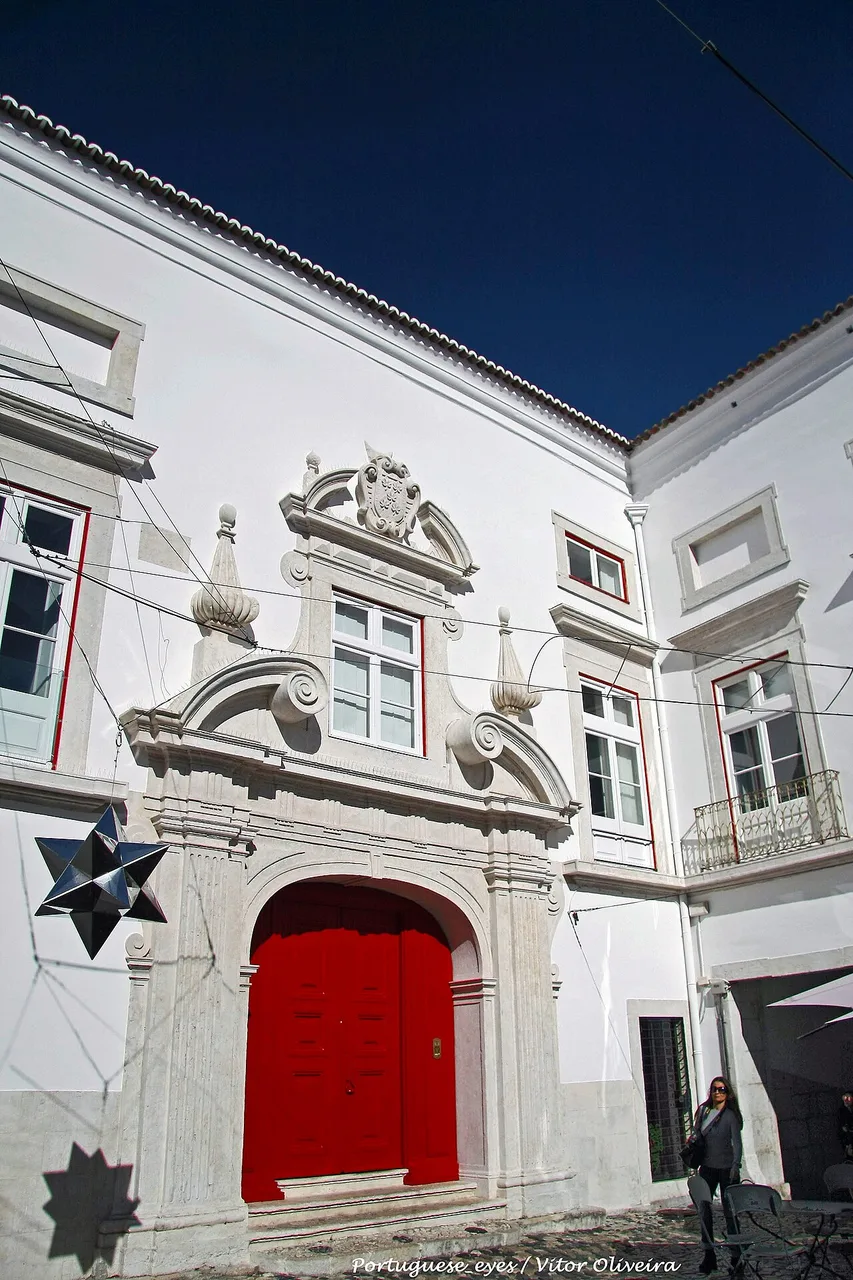
Five centuries in one building
Construction is recorded as starting in 1449, under Brás Afonso Correia, an official at the court of King Manuel I. The explorer Pedro Álvares Cabral is credited with building the first part of the present palace in 1503. The most significant restoration came in 1640, which added the Terrace Suites and five classical-style facades.
Between about 1720 and 1730, the tilemakers Manuel Santos and Valentim de Almeida produced 59 tile panels, more than 30,000 tiles in all. Frederic Coustouls bought and restored the palace in 1994.
The rooms
There are ten suites, each named for a figure from Portuguese history. Inside, the details are vaulted ceilings, arched doorways, painted frescoes and an eighteenth-century fireplace, set against a medieval keep, fortifications and two towers from the fifteenth and sixteenth centuries.
The garden and the view
The garden looks across Alfama to São Vicente de Fora and down to the Tagus. The building is also described as sustainably designed, with heavy insulation, large windows and natural ventilation, a practical choice for old stone in a Lisbon summer.
Who it suits
Travellers who want a hotel with history rather than a lobby: people who will read the tiles, climb the tower and walk Alfama's lanes down to the river. Alfama is steep and cobbled, so pack accordingly.