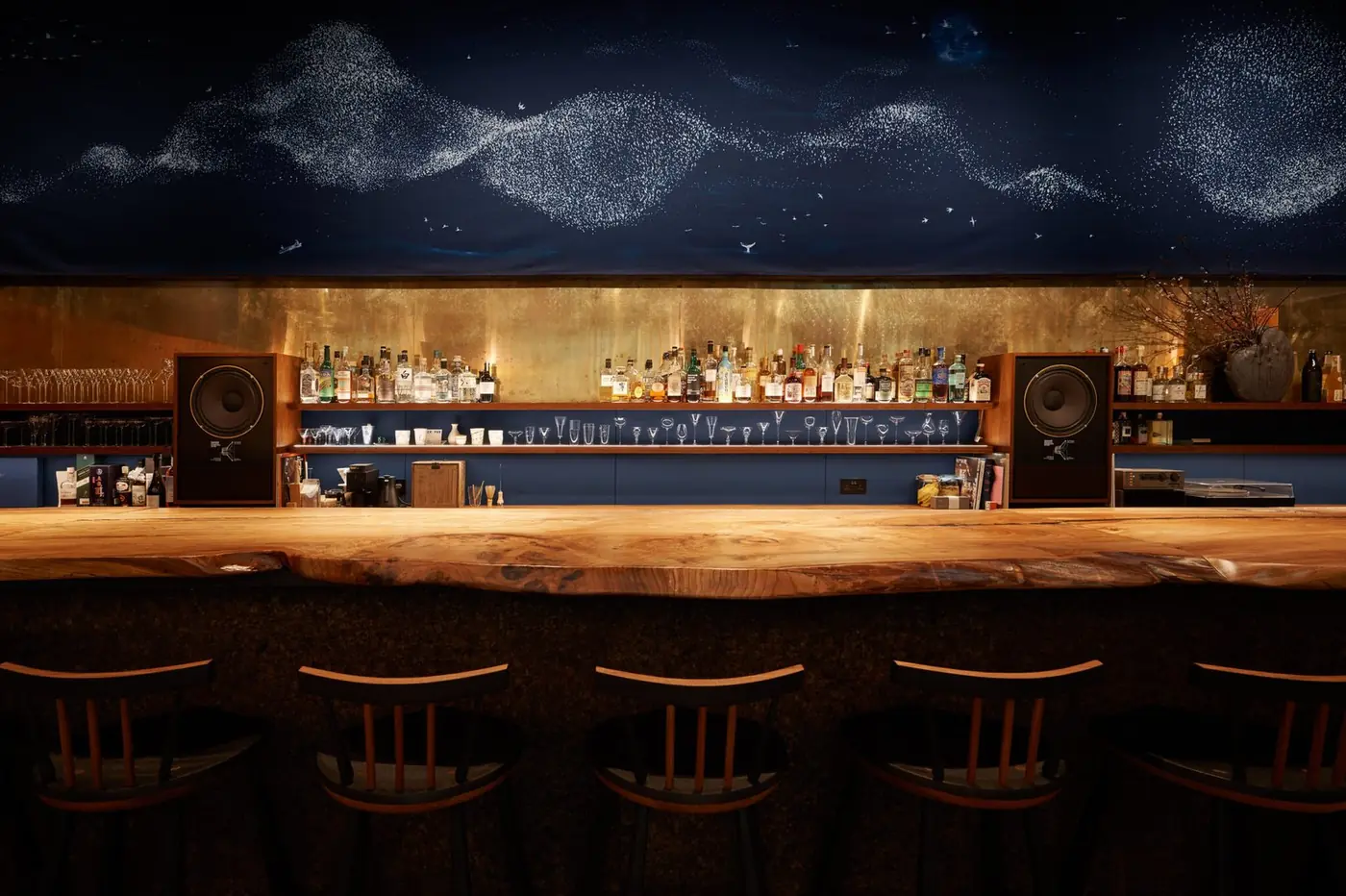
A hotel has to be a stage and a machine at once, which may be why London keeps handing it the buildings it no longer knows what to do with. Eero Saarinen designed the American embassy on Grosvenor Square to say something about a country, and it now says it to guests, with Theodore Roszak's gilded eagle back on the roof. The old Whiteleys department store on Queensway is a hotel and spa. A terrace by James Burton, begun around 1803, is a hotel in Bloomsbury. At 15 Old Bailey, a building put up in 1874 for the caterers Spiers & Pond is one again.
Part of the reason is arithmetic. Offices empty, shops consolidate, and a hotel needs just what an old building supplies: rooms, volume and a reason to visit. But a conversion is only as good as the reading behind it. The best of these took off what the embassy years had added, took a staircase apart and put it back four steps longer, kept the windows. The weakest are a façade with a lobby glued on.
There are new buildings here too, a tower at Nine Elms and a block on Eden Dock, because a city this size needs every kind of bed. But the order below rewards fit: what was kept, what was put back, and whether the rooms deserve the windows. Read in that order, the list is a short history of the uses London has found for itself.